

MS

NICE recommends Novartis’ Extavia for MS, but knocks back a raft of other beta interferons
December 20, 2017Research and Development, Sales and Marketing Extavia, MS, NICE, Novartis, beta interferon, multiple sclerosis
NICE has revealed that it has passed draft guidance that recommends Novartis’ Extavia (interferon beta 1b) for the treatment of …

EMA recommends approval of Roche’s Ocrevus in relapsing forms of multiple sclerosis
November 13, 2017Sales and Marketing MS, Ocrevus, Roche, multiple sclerosis, pharma
Roche has revealed that its humanised monoclonal antibody Ocrevus (ocrelizumab) received a positive recommendation from the Committee for Medical Products …
Novartis celebrates success of Gilenya in paediatric multiple sclerosis
September 5, 2017Manufacturing and Production, Research and Development MS, Novartis, gilenya, health, multiple sclerosis, pharma, pharmaceuticals
Novartis has announced results of its Phase 3 study investigating the safety and efficacy of Gilenya (fingolimod) , finding that …

Novartis launches first large-scale smartphone-based study in multiple sclerosis
August 23, 2017Research and Development MS, Novartis, life sciences, multiple sclerosis, pharma, pharmaceuticals
Novartis has launched what it claims is the first large-scale mobile research study which will gather data on multiple sclerosis …

Common treatment for MS revealed to have potential adverse reactions
May 16, 2017Manufacturing and Production, Research and Development MS, multiple sclerosis
Beta interferons are a common treatment used to manage multiple sclerosis. The treatment works by reducing and preventing the inflammation …
First treatment for form of MS approved by FDA
March 30, 2017Sales and Marketing Biogen, Genentech, MS, Roche
In big news for sufferers of MS and the company that developed the drug, Roche subsidiary Genetech, the FDA has …

Roche’s ground-breaking MS drug delayed by manufacturing issues
December 22, 2016Genentech, MS, Roche, multiple sclerosis
Roche has released both good and bad news just before Christmas. The good news is very good news for individuals …
Biogen MS drug misses primary endpoint in Phase II trial
June 8, 2016Research and Development Biogen, MS, multiple sclerosis, opicinumab
Biogen has reported top-line results in the Phase II trial evaluating opicinumab (anti-Lingo-1) in relapsing forms of multiple sclerosis, with …
FDA gives Roche MS drug breakthrough status
February 17, 2016Research and Development Genentech, MS, Roche
Roche subsidiary Genentech has been awarded US Food and Drug Administration (FDA) Breakthrough Therapy Designation for its drug Ocrevus (ocrelizumab) …
Positive late-stage results for Genentech’s ocrelizumab in different forms of MS
October 8, 2015Research and Development ECTRIMS, Genentech, MS, Roche, multiple sclerosis, ocrelizumab
Roche’s biotech arm Genentech has presented ‘transformative’ data at an international multiple sclerosis conference on its investigational drug ocrelizumab. Ocrelizumab …
Genzyme’s Lemtrada shows five-year efficacy in extended trials
October 8, 2015Research and Development Genzyme, Lemtrada, MS, RRMS, alemtuzumab, multiple sclerosis, relapsing-remitting multiple sclerosis
Sanofi’s subsidiary Genzyme has achieved positive data from an extension study of Lemtrada in patients with relapsing remitting multiple sclerosis …
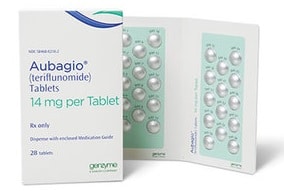
Sanofi MS treatment Aubagio slows brain atrophy in Phase III trial
October 7, 2015Research and Development Genzyme, MS, Sanofi
Sanofi and its subsidiary Genzyme have announced that magnetic resonance imaging (MRI) data from the Phase III TEMSO study demonstrate …
Genentech’s ocrelizumab shows efficacy in phase III trial
September 30, 2015Research and Development Genentech, MS, Roche, ocrelizumab
Roche subsidiary Genentech has announced positive results from a pivotal phase III study of its investigational medicine ocrelizumab in people …
Biogen to build billion-dollar plant in Switzerland
July 7, 2015Manufacturing and Production Alzherimer's disease, Biogen, Biogen IDEC, MS, Switzerland, manufacturing, multiple sclerosis
Biogen plans to open a $1 billion manufacturing facility in Switzerland, to help Europe deal with the future demand for …
Novartis MS drug scores positive late-stage trial result
April 21, 2015Research and Development, Sales and Marketing MS, Novartis, fingolimod, gilenya, multiple sclerosis
People with some of the most common forms of multiple sclerosis (MS) who are treated with Gilenya are less likely …
Latest content

Scots neonatal innovations target hearing loss and earlier care




Agentis Health Group acquires Clinical Pharmacist Solutions
