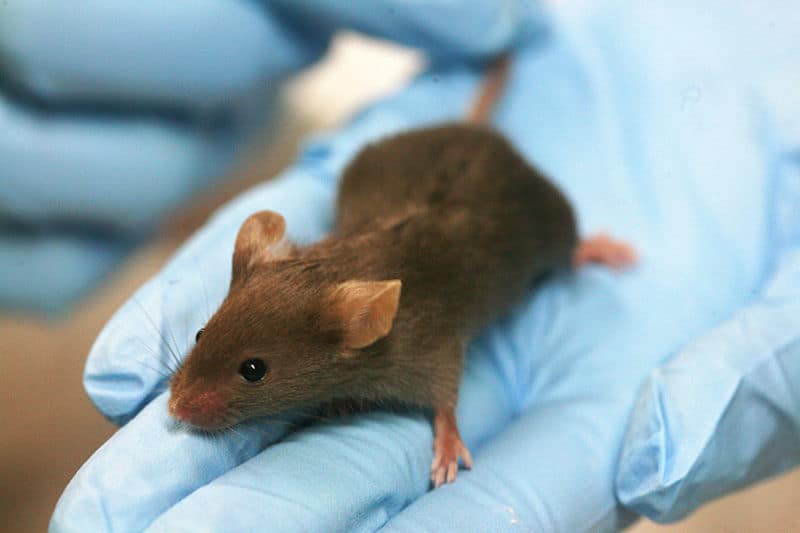
Researchers control blood sugar levels in mice via smartphone app
pharmafile | May 2, 2017 | News story | Manufacturing and Production, Research and Development | diabetes
Scientists at Shanghai’s East China Normal University have been able to regulate blood sugar levels in mice via the use of a smartphone app as a result of a new treatment method that utilises a subdermal device in combination with biological approaches.
The study was conducted to find a new and effective way to treat diabetes. The mice’s cells were first genetically engineered to produce blood sugar-regulating drugs such as insulin when exposed to specific wavelengths of red light. This light was then provided by a set of wirelessly powered LEDs implanted into the animals, which could then be controlled via a smartphone app.
It is thought that the new treatment pathway could have promising applications in a number of areas beyond diabetes, and “could pave the way for a new era of personalised, digitalised and globalised precision medicine”, according to the research team. It is possible to tweak the approach to prompt cells to manufacture a range of drugs. As the technology develops, it could potentially become fully automated and self-regulating.
Calling the study an “exciting accomplishment”, Professor Mark Gomelsky, Molecular Biologist at the University of Wyoming, explained: “How soon should we expect to see people on the street wearing fashionable LED wristbands that irradiate implanted cells engineered to produce genetically encoded drugs under the control of a smartphone? Not just yet, but the work provides us with an exciting glimpse into the future of smart cell-based therapeutics.”
Matt Fellows
Related Content
Orforglipron shows weight and glucose advantages over oral semaglutide in indirect comparison
Pharmaceutical firm Lilly’s orforglipron was associated with greater reductions in body weight and blood glucose …
First 90 days of antipsychotic treatment linked to rapid metabolic changes
The first 90 days after starting antipsychotic treatment are a critical period for monitoring blood …

Survodutide delivers up to 13.1% weight loss in phase 3 obesity and diabetes trial
Boehringer Ingelheim’s investigational survodutide produced weight loss of up to 13.1% after 76 weeks in …