Bayer contraceptive implant public backlash brings results
pharmafile | April 12, 2018 | News story | Medical Communications, Sales and Marketing | Bayer, Essure, biotech, drugs, pharma, pharmaceutical
Bayer’s permanent contraceptive device, Essure, has been at the centre of a public backlash for a number of years, with women how had the device implanted suggesting that they were had not been made aware of the risks.
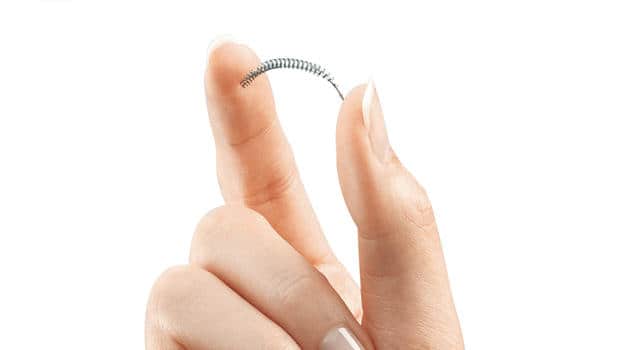
The device is made of a nickel alloy and resembles a coiled spring. It is designed to be inserted into the fallopian tubes, where it causes inflammation and scar tissue to form that blocks the tubes.
However, women have experienced perforation of the uterus alongside other serious complication that caused serious pain or even death.
The FDA has reacted by requiring Bayer to conduct a post-market study looking at the side-effects of the device, alongside an updated label highlighting the risks and a compulsory brochure that detail the dangers of the device to be delivered to, and signed by, potential recipients.
FDA Commissioner Scott Gottlieb, said, “We take the concerns of all women affected by Essure very seriously. I’ve personally had the opportunity to meet with several women and hear their important concerns about this product. Despite previous efforts to alert women to the potential complications of Essure, we know that some patients still aren’t receiving this important information. That is simply unacceptable. Every single woman receiving this device should fully understand the associated risks.”
Patients will now be legally required to see the brochure when offered the implant – however, it has come under some criticism for the length to which it runs, at 22-pages long. Many have suggested that this will make it unlikely all women will be interested in reading the full document before they are required to sign to declare that they have understood the risks.
Sales of the devices are already plummeting, down 70% since 2016; however, due to it being cheaper than alternatives, it may still be a offered as an option to women interested in permanent contraception.
A Bayer spokesperson suggested that the device had been “experiencing a decline in sales due to the broad dissemination of misleading and inaccurate information on social media that is influencing women’s choices.”
Ben Hargreaves
Related Content

Amphista doses first patient in AML trial of protein degrader
Amphista Therapeutics has dosed the first patient in a phase 1 trial of AMX-883, an …

Digital platform cuts pharmaceutical quality-record approval times by up to 90%
A digital platform for exchanging pharmaceutical quality records between supply-chain partners is now commercially available, …

Agentic commercial: how AI creates dialogue with HCPs and patients to help medicines reach them faster
By Chris Moore Commercial engagement in biopharma used to centre largely on direct conversations between …