Clinical trials don’t just have a recruitment problem, they have an enrolment protection problem.
pharmafile | September 5, 2026 | Feature | Clinical & Scientific, Clinical Research, Clinical Trial Services, Clinical research Training, Clinical trial specialist packaging, Data Capture | Asthma & COPD, Chronic Diseases, Immunology, Rare Diseases, Sample integrity, clinical trials, enrolment
By Dr. Richard Graham
Industry conversations about clinical trial participation tend to focus on awareness, access, and willingness to enrol. Those barriers are real, and the effort to address them is essential. But they represent only part of the enrolment problem.
A patient can learn about a study, consent to participate, travel to the site, and complete the required screening activities, only to be lost because something went wrong in execution. Incorrect instructions can compromise an eligibility assessment. A mishandled screening sample may no longer be suitable for testing. An unresolved laboratory query can keep a site from reviewing the result it needs to confirm eligibility within the required window. What may appear to be an isolated operational issue can become a lost enrolment opportunity.
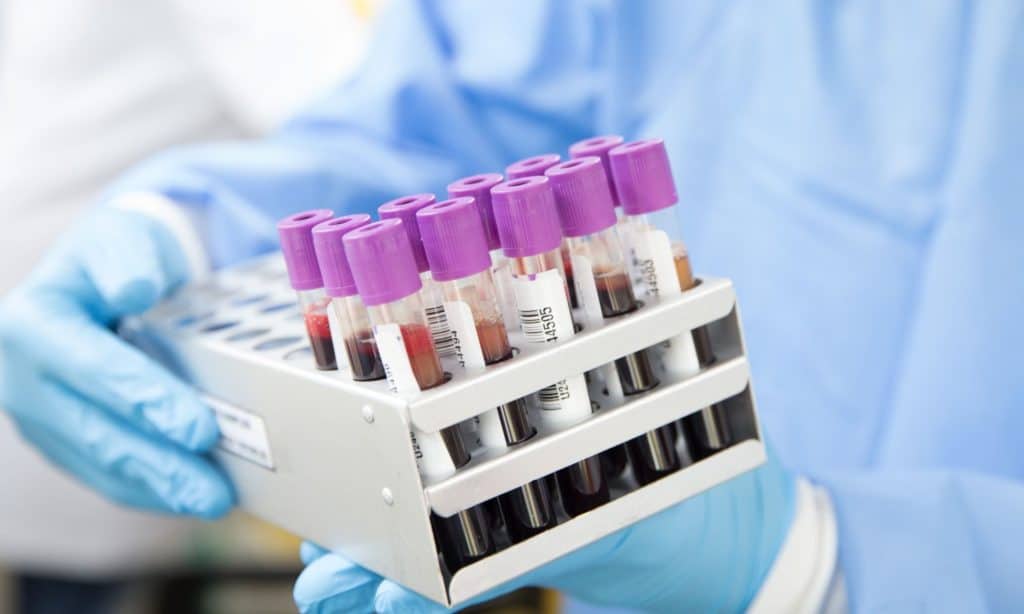
Biological samples are especially vulnerable because so much must happen correctly before testing can begin. The right sample must be collected from the right participant at the right time, then processed, labelled, stored, packaged, and transported according to protocol- and test-specific requirements. Published literature has estimated that up to three-quarters of errors affecting sample viability occur during this preanalytical phase, before analysis begins.
In practice, sample-related problems take many forms. A time-sensitive shipment may be lost in transit, delayed beyond its stability window, or even left on a loading dock over a weekend. In other cases, a required processing step is missed, a sample is labelled with the wrong patient ID, or it is accessioned incorrectly after arriving at the laboratory.
And unfortunately, the scale is difficult to ignore. It’s estimated that roughly one in five biological samples collected during a clinical trial is lost, switched, mishandled, mislabelled, or otherwise compromised before it can serve its intended purpose. During screening, this may necessitate recollection before eligibility can be confirmed. If the error goes undetected, however, it may produce an unreliable result and cause an otherwise eligible participant to screen fail.
What’s more, sample integrity is not the only concern. The information needed to identify and process a sample may first be written down at the site, then transcribed into a laboratory requisition and, in some workflows, entered again when the sample is accessioned. Each handoff creates another opportunity for required information to be omitted, misread, or entered incorrectly, potentially triggering a query that delays accessioning or the release of results even when the sample itself remains viable.
Regardless of the issue, what matters is not simply whether it is eventually discovered, but whether it becomes visible while there is still an opportunity to act. A laboratory query may be sent to the site, but notification alone does not ensure that it will be seen and resolved within a time-sensitive screening window. At the same time, the sponsor may lack sufficient visibility into the participant affected, whether eligibility review is being blocked, or how much time remains to intervene.
Rare disease magnifies consequence
The stakes become even higher in rare disease research. The pool of potentially eligible participants may be extremely small and geographically dispersed. In fact, it is not uncommon for a site to enroll just a single patient. If that enrolment opportunity is lost through a preventable execution failure, there may be no comparable patient waiting behind them.
The good news is that timely visibility can go a long way toward protecting participants once screening begins. In one global Phase 3 rare-disease study our team supported, half of the participants entering screening were expected to screen fail, reflecting the study’s highly specific eligibility criteria and complex screening process. That complexity also created numerous points at which an operational issue could interrupt a potentially eligible participant’s path through screening.
In all, 25 risks to randomisation were identified and resolved, including laboratory queries and testing holds, incorrect patient instructions, and sample accessioning errors. Those interventions alone were estimated to preserve approximately one month of enrolment time.
The study’s overall screening results likewise show the cumulative effect of that protection. Rather than the expected 50%, its actual screen-failure rate came in at 38%, meaning 58 patients who had been projected to screen fail remained in the enrolment pathway. Retaining those patients was estimated to preserve two additional months of enrolment time.
The study furthermore avoided much of the disruption typically associated with repeat screening. With a rescreen rate of 8%, compared with an industry benchmark of approximately 30% for screening visits of similar complexity, about 106 participants did not have to repeat a process that could have taken another one to two weeks.
Honouring the patient commitment
People enter clinical trials because they hope the treatment may benefit them, because they want to advance medical research, or both. In doing so, though, they accept uncertainty and risk, often while managing a serious illness and committing significant time and effort.
When outdated trial processes cause a biological sample to be wasted or force someone to repeat screening, the consequences fall on the patient. Their time has been lost, their contribution has been diminished, and another demand has been placed on them through no fault of their own. Some may be willing and able to try again. Others may decide the added burden is too much or may simply be unable to continue.
Patients deserve better. Sponsors should continue investing in awareness, access, and better recruitment. But those efforts cannot deliver their full value if willing participants are lost after they enter screening. The obligation to patients extends beyond recruitment; it includes identifying and addressing execution problems before they cost a patient their place in the trial.
Pic: Ahmad Ardity

- Richard Graham, PhD is the Chairman and Co-Founder of TruTechnologies, a clinical trial software company delivering real-time visibility into trial execution at the point of care. He founded the company in 2018 after more than 20 years advancing transformative medicines across oncology, immunology, inflammation, and respiratory disease, where he experienced first hand the operational challenges and inefficiencies that continue to slow clinical development
Related Content

AstraZeneca’s tozorakimab cuts COPD exacerbations by up to 34% in phase 3 trials
AstraZeneca’s tozorakimab reduced moderate-to-severe exacerbations in patients with chronic obstructive pulmonary disease (COPD) in two …

EMA selects TrialAssure anonymisation platform for clinical trial documents
TrialAssure has announced that its ANONYMIZE platform has been selected by the European Medicines Agency …

Vesper Bio reports positive topline results for dementia candidate
Vesper Bio, a clinical-stage biotech developing novel oral therapies for neurodegenerative and neuropsychiatric disorders, has …