GSK sales up – impact of China allegations to follow
pharmafile | July 24, 2013 | News story | Sales and Marketing | GSK, Q2, Seretide, Seroxat, Witty, bribery, transparency
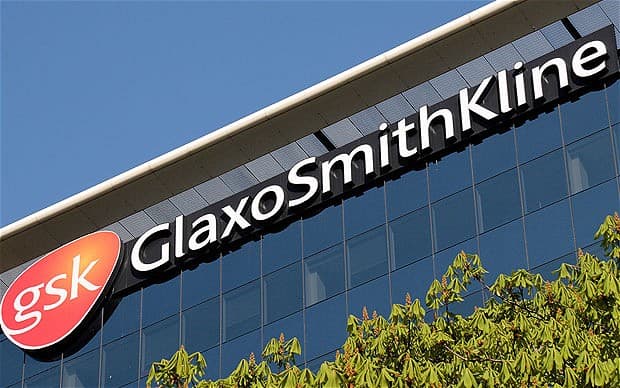
GlaxoSmithKline has reported a modest rise in sales but the fallout from China’s bribery probe dominates the firm’s release of its second quarter financials.
Revenue from across all areas was up 2% at constant exchange rates to £6.62 billion, with pharmaceuticals and vaccines growing by just 1% to £5.31 billion.
However, the firm’s results were overshadowed by events in China which has seen the company accused of bribery and ‘economic crimes’, with four members of its senior staff now detained by local authorities and others barred from leaving.
The Chinese government is alleging that GSK used hundreds of travel agencies to launder around 3 billion Yuan (£232 million) for it to be used as bribes for doctors, hospitals and industry groups.
Sir Andrew Witty, GSK’s chief executive, said: “Going forward, we continue to expect sales to grow broadly across emerging markets. Clearly, we are likely to see some impact to our performance in China as a result of the current investigation, but it is too early to quantify the extent of this.”
The London-based firm admitted earlier this week that some of its senior Chinese executives may have broken the law. GSK said as a result of the investigation it would drop all travel agencies it uses in China, adding that it planned to change its business model to lower the cost of medicines in the country.
A financial note with its results said: “It is not possible at this time to make a reliable estimate of the financial effect, if any, that could result from [the China allegations].”
Witty added that the company was “co-operating fully with the Chinese authorities in this matter”. Sales in China only account for around 3% of its global turnover, but it is still a promising future market for pharma given its 1.3 billion population and growing middle class.
GSK will hope to move on quickly from the problems in the country and continue to invest in the market, given its potential for growth.
Results
GSK’s biggest selling drug Seretide, licensed to treat asthma, saw strong growth of 5% up to £1.36 billion, with its other high grossing BPH drug Avodart up a healthy 12% to £221 million.
Generic competition for antidepressant Paxil, also known as Seroxat, saw sales eroded by 24%, down to just £79 million for the quarter.
In terms of geography pharma sales grew the most in the US, up 5% on last year, but remained flat in Europe as austerity measures continue. Its Japan business was down 5%, impacted in the quarter by generic competition to the once big selling Paxil.
But the news has not all been negative as GSK has seen three major US approvals this quarter, including: Breo Ellipta for COPD as well as Tafinlar and Mekinist for metastatic melanoma.
The firm had a long road to return to growth since 2011 mainly as a result of major $3 billion fine and the early loss of its diabetes drug Avandia across some markets.
The UK’s biggest pharma company may be dealing with the ethical fallout from the China probe, but it will be pleased that growth has been maintained – however modest – and at the approval of three potential blockbuster medicines.
Ben Adams
Related Content

GSK’s Exdensur receives MHRA approval for asthma and rhinosinusitis
GSK’s Exdensur (depemokimab), a twice-yearly biological medicine, has received approval from the UK Medicines and …

Multiple myeloma treatment approved in Japan
GSK’s Blenrep (belantamab mafodotin) combinations have been approved by Japan’s Ministry of Health, Labour and …

US FDA expands Jemperli (dostarlimab-gxly) plus chemotherapy approval to all adult patients with primary advanced or recurrent endometrial cancer as the first and only immuno-oncology-based treatment to show an overall survival benefit
PHILADELPHIA–GSK plc today announced the US Food and Drug Administration (FDA) has approved Jemperli (dostarlimab-gxly) in combination …