Wales approve pancreatic cancer drug for use despite NICE rejection in England
pharmafile | March 18, 2016 | News story | Medical Communications, Research and Development | Abraxane, Celgene, England, NHS, NICE, Wales, approval
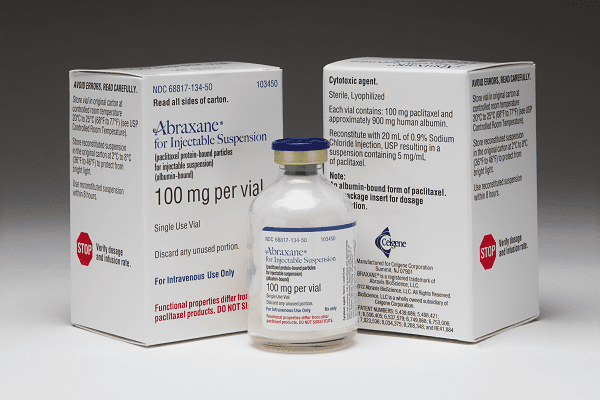
Celgene (Nasdaq: CELG) has announced that Abraxane, in combination with gemcitabine, will continue to be an available treatment option for adults with previously untreated metastatic pancreatic cancer via NHS Wales, despite a decision by the National Institute for Health and Care Excellence (NICE) not to use the drug combination via the NHS in England.
The All Wales Medicines Strategy Group (AWMSG) approved Abraxane, in combination with gemcitabine, as an option for first-line treatment within NHS Wales for patients with metastatic pancreatic cancer. However, NICE indicated that, due to the “impact of side effects on a patient’s quality of life” as well as its high cost, it “cannot be considered an effective use of NHS resources.”
While a NICE decision usually supersedes a decision from AWMSG, the Welsh government have taken the steps to ensure the treatment’s continued availability.
Ali Stunt, founder and chief executive of Pancreatic Cancer Action, said: “We are delighted that eligible Welsh pancreatic cancer patients will continue to benefit from Abraxane, in combination with gemcitabine, and it is encouraging that the Welsh government recognises the importance of a few extra months for people whose life expectancy has already been cut devastatingly short.
“This decision, however, amplifies inequality across the UK, as unlike metastatic pancreatic cancer patients in Wales or Scotland, those in England have no means of accessing Abraxane, in combination with gemcitabine, via the NHS. Pancreatic cancer is the fifth biggest cancer killer in the UK and we call on NICE to reconsider its decision and enable English patients to have equal access to Abraxane, in combination with gemcitabine.”
Trial results have shown that use of Abraxane in combination with gemcitabine can increase survival by up to 2 months compared to gemcitabine, alone. Approximately, 9,400 people are diagnosed with pancreatic cancer every year in the UK. Only 20% survive past the first year of being diagnosed.
Sean Murray
Related Content

Under-Secretary of State for Health Innovation and Safety visits new building on University of Huddersfield’s NHIC
Dr Zubir Ahmed MP, the Under-Secretary of State for Health Innovation and Safety, has visited …

Antiverse receive investment from IIC and Development Bank of Wales
As part of its $9.3m Series A funding round, Antiverse has received a joint equity …

Digital mental health technologies – a valuable tool in supporting people with depression and anxiety
The potential benefits of digital mental health technology for managing depression, anxiety and stress, together …