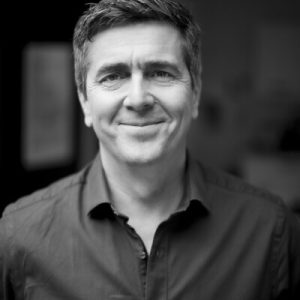
UK gene scientist honoured with knighthood
pharmafile | June 17, 2013 | News story | Medical Communications, Research and Development, Sales and Marketing | Cancer, genes, knighthood, mike stratton, personalised
A British scientist who helped discover the BRCA breast cancer gene and paved the way for personalised medicine has been awarded a knighthood from the Queen’s Birthday Honours list.
Professor Mike Stratton is currently director of the Wellcome Trust Sanger Institute in Cambridgeshire. He also founded the Cancer Genome Project, where he looks for mutations in human cancer in order to identify new cancer genes and to reveal the role of genome structure in determining abnormalities of cancer genomes.
In 1994, he and his team identified the BRCA2 mutation, one of the most common breast cancer genes. This discovery led to US-based diagnostics firm Myriad’s creation of a detection test for this gene, allowing for a new era in personalised medicine.
This gene has also become well known in the public arena since US Oscar-winning actress Angelina Jolie announced in May that she had undergone a mastectomy after using Myriad’s diagnostic tool.
The BRACAnalysis found she had an 87% chance of having BRCA positive breast cancer in her lifetime, and a 50% chance of ovarian cancer, the disease which killed her mother at the age of 56.
Whilst working with the project, Prof Stratton has also helped discover mutations in the BRAF and ERBB2 genes in melanoma and lung cancer respectively.
The discovery of the BRAF mutation, which is present in around half of all melanomas, led to the creation of two new skin cancer drugs which target this mutation, namely: Roche’s Zelboraf and GSK’s Tafinlar, as well as diagnostic kits for both drugs.
Speaking to the BBC, he said: “I am thrilled and surprised to be honoured in this way. My area of work, exploring the genomes of cancer cells, is in an extraordinarily exciting phase, and this honour in large part recognises the generous contributions of the many colleagues I have worked with in my career.
“Our research to understand the changes in DNA that drive cancer is a partnership of scientists, clinicians, sponsors and patients.
“We work in the knowledge that incorporating discoveries from cancer genomes into clinical practice is already improving the diagnosis, prevention and treatment of cancer, with much more to come.”
Further honours
As well as Prof Stratton, three other knighthoods have been awarded in the healthcare sector.
These are: Professor Andrew Hall, chair of the Joint Committee on Vaccination and Immunisation, who is knighted for services to public health, and Professor Peng Tee Khaw, consultant ophthalmic surgeon at Moorfields Eye Hospital in London.
Stephen O’Rahilly, professor of clinical biochemistry and medicine at the University of Cambridge, has also been knighted for his research on the causes of human obesity.
In addition to these four Honours, the bacteriologist Prof Hugh Pennington becomes a CBE, and three nurses and three GPs have also been appointed MBEs.
Ben Adams
Related Content

Central nervous system cancer metastases – the evolution of diagnostics and treatment
The current forms of immunotherapy, how T cell therapy works and what the future holds
BioMed X and Servier launch Europe’s first XSeed Labs to advance AI-powered antibody design
BioMed X and Servier have announced the launch of Europe’s first XSeed Labs research project, …
T-cell therapy – the evolution of cancer treatments
The current forms of immunotherapy, how T cell therapy works and what the future holds