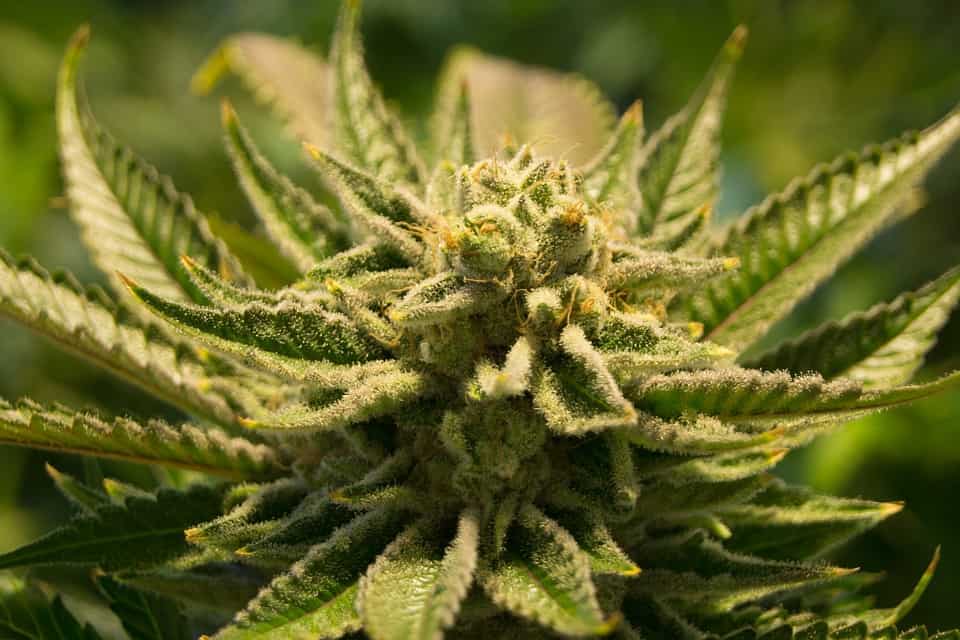
Synthetic, non-intoxicating CBD analogue treats seizures in rats
pharmafile | May 31, 2019 | News story | Medical Communications | CBD, H2CBD, cannabidiol, medicinal cannabis, pharma
A synthetic, non-intoxicating cannabidiol (CBD)-analogue is effective at treating seizures in rats, according to researchers at the University of California, Davis.
The molecule, 8,9-Dihydrocannabidiol (H2CBD) is a synthetic molecule which is structurally similar to the CBD. Mascal’s lab developed H2CBD from commercially available chemicals.
The UC Davis researchers tested H2CBD against CBD, in rats with induced seizures. Both drugs were found to be equally effective in treating seizures in rats.
“It’s a much safer drug than CBD, with no abuse potential and doesn’t require the cultivation of hemp,” said Mark Mascal, professor in the UC Davis Department of Chemistry.
Mascal is now working with colleagues to carry out further clinical trials. The teams findings were published in the journal Scientific Reports.
Louis Goss
Related Content
LGC Group opens $100M Organic Chemistry Synthesis Centre of Excellence
LGC Group, a life sciences company, has opened its new Organic Chemistry Synthesis Centre of …
Johnson & Johnson announces successful results from trial for myeloma treatment
Global healthcare company, Johnson & Johnson, announced that analysis of its Darzalex (daratumumab) therapy showed …
Bend Bioscience adds commercial spray drying facility to Georgia site
Bend Bioscience has announced the addition of a commercial-scale spray dryer and a Gerteis dry …