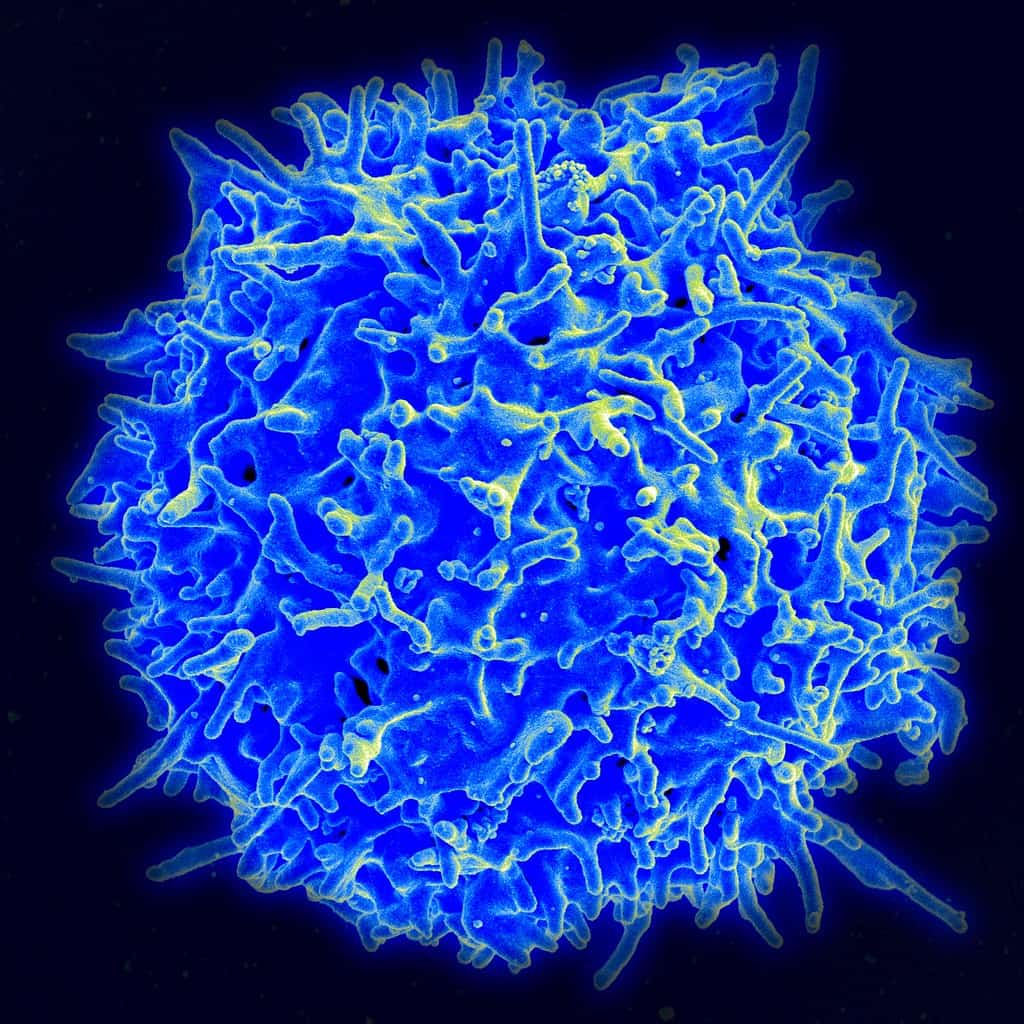
Researchers modify T-cells to identify and target multiple sites on leukaemia cells
pharmafile | April 1, 2020 | News story | Research and Development | Cancer, Cancers, children cancer, leukaemia
Scientists from the Children’s Hospital of Los Angeles have engineered T-cells to identify and target multiple sites on acute lymphoblastic leukaemia cells instead of just one.
The new research from a pre-clinical study was published this week in the Leukemia journal and led by Dr Hisham Abdel-Azim.
The therapy used the patient’s T-cells, isolating and genetically modifying them to recognise a protein found on leukaemia cells, called CD-19. When these are introduced back into the patient it allows the immune system to attack the cancer.
Dr Abdel-Azim commented on the research and said: “These newer CAR-T cells bind to more cancer cells and these connections are much stronger. Not only do they bind better, but they are binding again and again.”
The initial treatment showed promise but nearly half of the patients in the study later relapsed because the cancer stopped producing the CD-19 protein so the T-cells could no longer help the immune system identify and fight the cancer.
A clinical trial will be needed before this treatment, known as CAR-T, is used on patients. In particular this treatment has been designed to bridge the gap for children who do not respond well to chemotherapy. Acute Lymphoblastic Leukaemia is the most common type of cancer found in children.
Conor Kavanagh
Related Content
Central nervous system cancer metastases – the evolution of diagnostics and treatment
The current forms of immunotherapy, how T cell therapy works and what the future holds
BioMed X and Servier launch Europe’s first XSeed Labs to advance AI-powered antibody design
BioMed X and Servier have announced the launch of Europe’s first XSeed Labs research project, …
T-cell therapy – the evolution of cancer treatments
The current forms of immunotherapy, how T cell therapy works and what the future holds