Nobel Prize awarded to immuno-oncology innovators
pharmafile | October 2, 2018 | News story | Manufacturing and Production | Cancer, Nobel Prize, immunotherapy, kyoto, oncology, texas
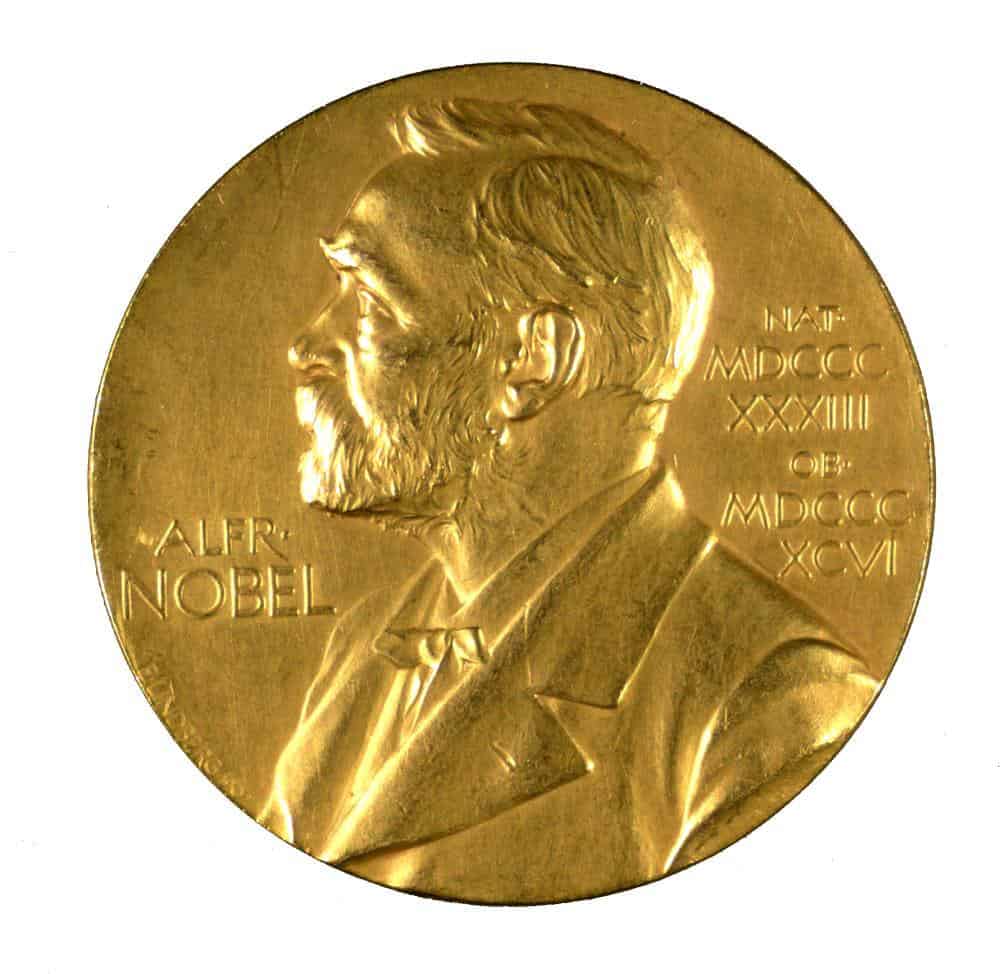
The Nobel Prize for physiology or medicine has been awarded to both Professor James P Allison and Tasuku Honjo for the discoveries they have made in the area of immuno-oncology.
Honjo, a professor at Kyoto University, and Allison, University of Texas MD Anderson Cancer Center in the United States, were credited for the advancements they have made in using the immune system to combat cancer.
The researcher’s discoveries eventually led to the development of blockbuster immunotherapy cancer drug Opdivo.
The Nobel Committee commented in a statement: “Cancer kills millions of people every year and is one of humanity’s greatest health challenges. By stimulating the inherent ability of our immune system to attack tumour cells this year’s Nobel Laureates have established an entirely new principle for cancer therapy”
“James P. Allison studied a known protein that functions as a brake on the immune system. He realized the potential of releasing the brake and thereby unleashing our immune cells to attack tumors. He then developed this concept into a brand new approach for treating patients.”
“In parallel, Tasuku Honjo discovered a protein on immune cells and, after careful exploration of its function, eventually revealed that it also operates as a brake, but with a different mechanism of action. Therapies based on his discovery proved to be strikingly effective in the fight against cancer.”
Honjo told reporters: “I want to continue my research … so that this immune therapy will save more cancer patients than ever.”
Meanwhile Allison said in a statement: “I’m honored and humbled to receive this prestigious recognition. A driving motivation for scientists is simply to push the frontiers of knowledge. I didn’t set out to study cancer, but to understand the biology of T cells, these incredible cells that travel our bodies and work to protect us.”
Louis Goss
Related Content

Highlighting the value of lab research for healthcare innovation
Diagnostic innovation and patient safety have dominated this year’s healthcare-focussed awards to mark European Laboratory …

Charity commits £800,000 to AI research into late breast cancer recurrence
Breast Cancer Now is investing £800,000 in two research projects using artificial intelligence to investigate …

Most advanced breast cancer patients treated in community settings, Phesi study finds
Most patients with advanced hormone receptor-positive, HER2-negative (HR+/HER2-) breast cancer are treated in community settings …