Micrima announces upcoming launch of new UK breast cancer assessment
Charlie Blackie-Kelly | October 3, 2025 | News story | Research and Development | Micrima, breast cancer, oncology
Breast cancer remains one of the leading health threats to women over 35 in the UK
Micrima, a healthcare technology company spun out of the University of Bristol, has announced that its breast cancer risk assessment service is expected to receive CE marking and launch in the UK later this year.
CE marking confirms that a product meets European Union health, safety and environmental protection standards, allowing it to be marketed across the European Economic Area.
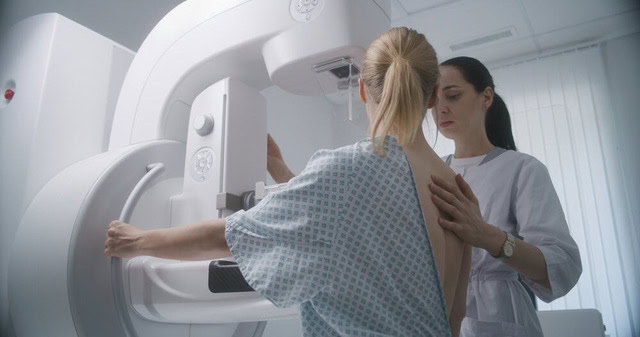
Micrima anticipates final approval for its Mi~Scan and Mi~Score risk assessment tools by the end of October 2025, with services set to launch in Bristol in November. The assessments are non-invasive and provide personalised five-year, ten-year and lifetime risk predictions, alongside advanced breast density measurements. Breast density is a key factor in both cancer development and detectability, with higher density associated with a four- to six-fold increased risk, according to Micrima.
Patients will initially be able to book appointments through an online portal or at local pop-up stands in Bristol, with national rollout planned in subsequent phases. Breast cancer remains one of the leading health threats to women over 35 in the UK, with one in seven women diagnosed during their lifetime. While early detection can bring survival rates close to 100%, around 34% of cases are identified only after the disease has spread.
“Finalising CE marking this month is a major milestone,” said Adrian Waller, CEO of Micrima. “We’re proud that a breakthrough born in Bristol will now be made available to women across the UK – starting this autumn, and expanding nationally from there.”
Related Content

Highlighting the value of lab research for healthcare innovation
Diagnostic innovation and patient safety have dominated this year’s healthcare-focussed awards to mark European Laboratory …

Charity commits £800,000 to AI research into late breast cancer recurrence
Breast Cancer Now is investing £800,000 in two research projects using artificial intelligence to investigate …

Most advanced breast cancer patients treated in community settings, Phesi study finds
Most patients with advanced hormone receptor-positive, HER2-negative (HR+/HER2-) breast cancer are treated in community settings …