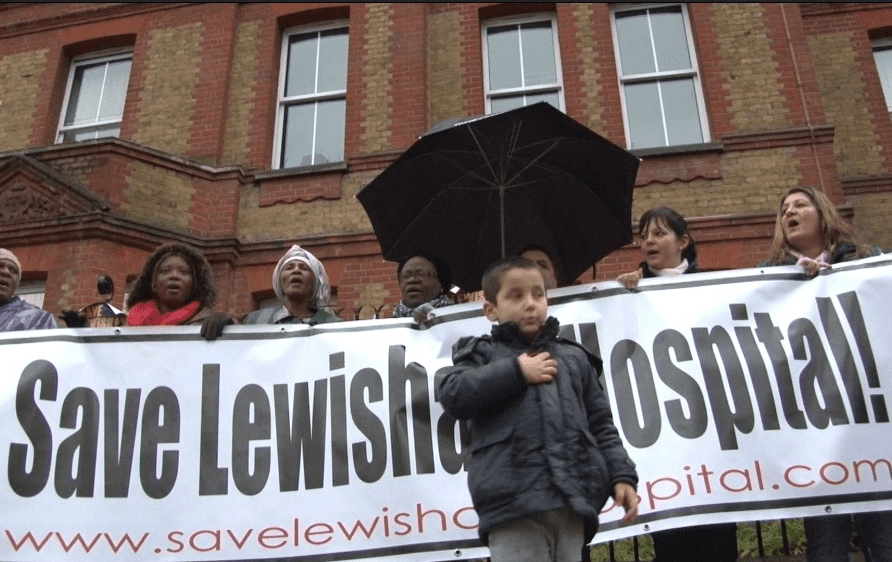
Lewisham A&E spared axe
pharmafile | February 1, 2013 | News story | Sales and Marketing | Hunt, Lewisham, Miliband, NHS
The government’s threat to close Lewisham Hospital’s A&E unit has been lifted after health secretary Jeremy Hunt decided to cut a quarter of its capacity instead.
The south-east London hospital – which local medical staff, patients and politicians felt was the ‘fall guy’ for financial problems at the neighbouring (and separate) South London Healthcare NHS Trust – has avoided closure.
That separate Trust is currently losing around £1 million a week and is expected to have debts of more than £200 million by the end of 2013 at the current rate, and Hunt told MPs it would be dissolved by October.
Meanwhile Lewisham Hospital can admit patients with less serious conditions, and will have 24/7 senior medical emergency cover, which means it can operate as an A&E department “treating up to 75% of the patients who currently use it”.
The government has emerged more or less unscathed from the battle, with Hunt telling MPs that although there might have been a fiscal rationale for closing Lewisham’s A&E department, there was no clinical basis for doing so.
To have shut it, therefore, would put the government on dodgy ground and left Hunt open to attacks from all sides. The threatened closure prompted a mobilisation of popular support, with 25,000 people estimated to have taken part in a protest march last weekend.
The political stakes over Lewisham have been high with Labour leader Ed Miliband weighing in to the debate yesterday morning before Hunt’s announcement.
He said the protest had been ‘part of a wider problem’ in the government’s handling of the NHS.
“I think you’ve got to take the nurses, the doctors, the patient groups with you, not fight against them, which is what we’ve seen so far,” Miliband added.
Echoing these comments, NHS Confederation chief executive Mike Farrar said: “Quality needs to be the main driving force behind any change,” and that such decisions “must always be supported by clinical evidence”.
Farrar made it clear his organisation is not opposed to closures. But he warned that the NHS and government must avoid being “perpetually in a situation of trench warfare, with staff, politicians and patients all coming out in opposition on the streets”.
Cuts to local health services, such as the closure of hospitals or key departments – even if they are clinically justified – rarely get local support and MPs find them a hard sell to constituents.
“We need to learn the lessons from this case and others,” Farrar went on. “The answer is to start discussions earlier, with doctors and leaders clearly explaining the case for change.
“Where the evidence shows that change will save lives or improve experience and outcomes for the population, we should expect political support,” he concluded.
Hunt was acting on the advice of NHS medical director Professor Bruce Keogh, who had been asked to look into getting the best patient outcomes from the parlous financial situation.
Adam Hill
Related Content
Under-Secretary of State for Health Innovation and Safety visits new building on University of Huddersfield’s NHIC
Dr Zubir Ahmed MP, the Under-Secretary of State for Health Innovation and Safety, has visited …

Digital mental health technologies – a valuable tool in supporting people with depression and anxiety
The potential benefits of digital mental health technology for managing depression, anxiety and stress, together …

A community-first future: which pathways will get us there?
In the final Gateway to Local Adoption article of 2025, Visions4Health caught up with Julian …