Fujifilm partners with Takeda, stepping into regenerative medicine
pharmafile | February 9, 2018 | News story | Medical Communications, Research and Development | Fujifilm, Takeda, biotech, drugs, pharma, pharmaceutical
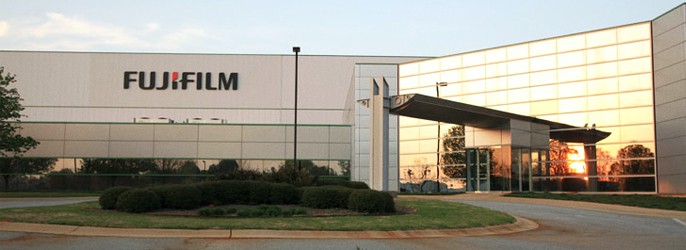
Fujifilm has been steadily building up its regenerative medicines, with several acquisitions of companies that hold expertise in the area – by acquiring Japan Tissue Engineering in 2014 and then Wako Pure Chemical Industries the following year.
The latter company was bought from Takeda and the two have returned to partner in the space, as Fujifilm looks to establish its expertise in stem cell technology.
The partnership will focus on regenerative therapies that use stem-cells from heart muscle tissue for use in the treatment of heart failure.
Induced pluripotent stems cells (IPSC) are able to produce different body tissues and are slated as being part of the future for medical treatment. However, there is still some way before Fujifilm’s technology can be made applicable to patients, as it noted in the press release, “there remain unaddressed technological and economic challenges.”
Fujifilm’s reasons for collaborating with Takeda seem to be in order to leverage the latter company’s experience of bringing medical treatments through the complicated nature of pre-clinical studies and clinical trials all the way through to patients.
“We are delighted to initiate this partnership applying practical use of our iPSC-derived cardiac cells with Takeda, which has abundant experience in drug development and clinical trials,” said Aiichiro Hiruma, General Manager of Regenerative Medicine Division at FUJIFILM Corporation. “In addition to establishing new treatment methods for patients with heart disease, Fujifilm and Takeda will contribute to the elevation of regenerative medication business to the industrial stage by applying our engineering technologies to manufacture high-quality cells safely and efficiently.”
To enter the project, it was revealed that Takeda had made a one-time payment but little else was announced as part of the press release. It was noted that both companies “will evaluate the safety and efficacy of resulting regenerative medicine therapies”, which suggests that development costs are likely to be shared.
The deal syncs up with Takeda’s decision to partner with Cardurion Pharmaceuticals, in August last year, on the development of “next-generation” therapies for the treatment of heart failure and CVD. This particular partnership sees Takeda provide the biotech with a 12-person research team, based in Japan, that will work alongside the Cambridge, Massacusetts, based company.
Ben Hargreaves
Related Content

Agentic commercial: how AI creates dialogue with HCPs and patients to help medicines reach them faster
By Chris Moore Commercial engagement in biopharma used to centre largely on direct conversations between …

Pharma sees climate disruption as growing supply-chain risk
Nine in ten pharmaceutical companies across the UK and G7 countries expect climate-related disruption to …
AI in pharma: From lab development to patient impact
In the decade to 2025, AI use in vaccine development has increased markedly but is …