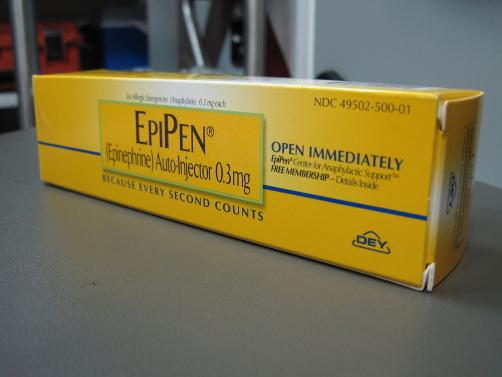
EpiPen shortage hits UK and Canada hard, but not US
pharmafile | April 18, 2018 | News story | Research and Development, Sales and Marketing | Mylan, Pfizer, biotech, drugs, epipen, pharma, pharmaceutical
Manufacturing issues at the single Pfizer plant that produces the EpiPen epinephrine injector has caused serious shortages in the UK and Canada, but the US remains unhurt by supply issues.
The situation has developed to the point where Canada is now in direct conversation with the FDA to determine whether it will be able to gain access to some of US’ supply of the medicine.
Potential issues with supply of the EpiPen were announced back in January but it had been suggested the problems would be resolved by March.
It is a major worry for those in Canada that require the injector to prevent against anaphylactic shock due to allergic reactions, as there are no alternative supplies of rival products available on the market.
The UK does have two alternatives in the form of Emerade, produced by Valeant, and Jext, produced by ALK-Abelló; however, pharmacies have warned that these alternatives are also running out of stock and that EpiPens are also facing shortages across many pharmacies.
The situation has become so bad in Canada that those in need are being told to inject themselves with out of date products, in emergencies, and then call the emergency services.
Why there are no supply issues in the US is a question that Mylan, the company responsible for selling the product, hasn’t yet answered. Though the fact that the US is the most important market for the product is probably a significant influence on why it is not seeing shortages.
September of last year saw Meridian Medical Technologies, the unit of Pfizer that produces the injector, receive a warning letter regarding the failure to properly investigate faulty EpiPen products.
“Pfizer understands and regrets the challenges that these ongoing supply constraints pose to patients and the healthcare community,” the pharma giant said in a statement.
Ben Hargreaves
Related Content

Agentic commercial: how AI creates dialogue with HCPs and patients to help medicines reach them faster
By Chris Moore Commercial engagement in biopharma used to centre largely on direct conversations between …

Pharma sees climate disruption as growing supply-chain risk
Nine in ten pharmaceutical companies across the UK and G7 countries expect climate-related disruption to …

AI in pharma: From lab development to patient impact
In the decade to 2025, AI use in vaccine development has increased markedly but is …