Doctors warn of urgent care ‘chaos’
pharmafile | November 12, 2014 | News story | Sales and Marketing | BMA, GPs, NHS, doctors, nagpaul, pac
Doctors’ leaders are demanding greater investment in out-of-hours GP services, warning of ‘fragmentation’ and underfunding, and branding the current system ‘chaotic’.
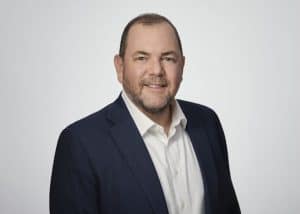
“It is important that policy-makers get a grip on this problem and properly integrate services so that patients have a clear, easily understood route to the right urgent care,” insists Dr Chaand Nagpaul, chair of the BMA’s GP Committee.
“We also need a proper programme of investment that gives GP services the staff and resources so that they can give the public the level of care they deserve,” Nagpaul adds. The concerns come as the House of Commons Public Accounts Committee (PAC) looks into the issue.
Last year, PAC chair Margaret Hodge went so far as to call the provision of out-of-hours care in Cornwall ‘shocking’. “Serco’s performance in a £32million contract…has fallen unacceptably short of essential standards of quality and safety,” she said.
Out-of-hours GP services in England cost £400 million in 2013-14 and involved an estimated 5.8 million cases – a drop from 8.6 million in 2007-08.
PAC says this decline is explained by the introduction of NHS 111. Around 90% of GP practices have opted out of providing out-of-hours care, leaving NHS England to delegate responsibility for commissioning services to the 211 clinical commissioning groups.
“Many GPs are working hard to deliver out of hours to patients, but they are being undermined by an increasingly chaotic and underfunded system,” insists Nagpaul.
“Over the past ten years, policy-makers have allowed a confusing array of urgent care options to emerge, including NHS 111 walk-in centres, traditional GP out-of-hours services and more recently the Challenge Fund pilots that provide limited, short term funding for some practices to open longer in some areas.”
It all adds up to confusion for the public, the BMA thinks, with services often operating in isolation with little joined-up thinking between them.
“This fragmentation undoubtedly impedes healthcare professionals from delivering holistic care to patients, as demonstrated by the problems that emerged with out-of-hours care in Cornwall,” Nagpaul adds.
Underfunding of services, an emerging shortage of GPs and problems with the launch of NHS 111 – including the quality of its call handler service – has not helped matters either, the BMA adds.
“With patient demand continuing to rise, especially from an ageing population, this situation is only likely to deteriorate unless these fundamental issues are addressed,” Nagpaul concludes.
Adam Hill
Related Content

Digital mental health technologies – a valuable tool in supporting people with depression and anxiety
The potential benefits of digital mental health technology for managing depression, anxiety and stress, together …

A community-first future: which pathways will get us there?
In the final Gateway to Local Adoption article of 2025, Visions4Health caught up with Julian …

The Pharma Files: with Dr Ewen Cameron, Chief Executive of West Suffolk NHS Foundation Trust
Pharmafile chats with Dr Ewen Cameron, Chief Executive of West Suffolk NHS Foundation Trust, about …