Current drugs are “poisoning” elderly patients due to insufficient trial data, House of Lords committee hears
pharmafile | November 1, 2019 | News story | Medical Communications, Research and Development | elderly patients, pharma, trial diversity
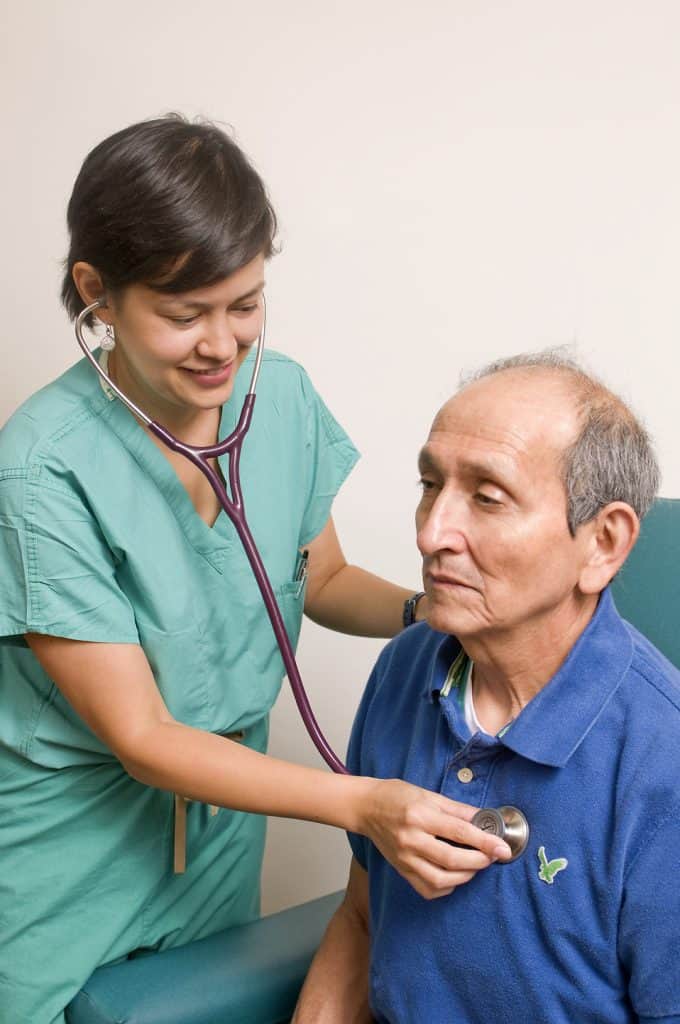
Elderly patients are being put at risk by prescriptions for drugs which have not been properly tested in their age group through clinical trials, a House of Lords committee has heard.
At the House of Lords Science and Technology Committee inquiry, Ageing: Science, Technology and Healthy Living, Munir Pirmohamed, Professor of Molecular and Clinical Pharmacology at the University of Liverpool, raised the concern that too little is known on the effects and interactions of drugs in elderly populations because they are all too often excluded from the studies which would give us these answers.
“If you look at the general population coming into hospital, 6.5% of all people coming into hospitals are admitted because of adverse drug reactions (ADRs), 15% develop ADRs while in hospital … at this very moment in time 8,000 beds are occupied by patients with ADRs,” he explained. “If you look at the age profile it’s mostly [older people] and those on multiple drugs that are developing the ADRs.
“When we use a drug at a dose which is licensed, we are often poisoning [older people] because of the dosing we are using. As you get older your kidney function declines, hepatic function declines, other functions decline […] and you also have drug–drug interactions.”
“[Older people] may require multiple drugs … but we need to treat them at the appropriate doses as well, which we don’t do,” he continued. “Those drugs are used at conventional doses and those doses have been tested in younger populations who had exclusion criteria for trials – so they have been tested in people who don’t have the multiple diseases. So when we use a drug at a dose which is licensed at the moment, we are often ‘poisoning’ the elderly because of the dosing that we are using.”
His comments are another page in the long and ongoing debate on the diversity of clinical trial populations, which inform how effective our drugs will be across demographics in the populations they are designed to treat, whether drawn along lines of race, age, or other factors.
The issue of elderly patients being underrepresented is particularly poignant given the ageing of global populations, where the incidence of elderly patients living with multiple health conditions is only expected to rise in future.
“Historically, older people were explicitly excluded from clinical trials – no one above 65,” also commented Miles Witham, Professor of Trials for Older People at Newcastle University’s Institute of Neuroscience. “They get ill, sometimes they die – it isn’t terribly convenient.
“Explicit exclusion on the basis of age is less common now,” he added, “but people are still excluded because of multimorbidity.”
Matt Fellows
Related Content

LGC Group opens $100M Organic Chemistry Synthesis Centre of Excellence
LGC Group, a life sciences company, has opened its new Organic Chemistry Synthesis Centre of …
Johnson & Johnson announces successful results from trial for myeloma treatment
Global healthcare company, Johnson & Johnson, announced that analysis of its Darzalex (daratumumab) therapy showed …

Bend Bioscience adds commercial spray drying facility to Georgia site
Bend Bioscience has announced the addition of a commercial-scale spray dryer and a Gerteis dry …