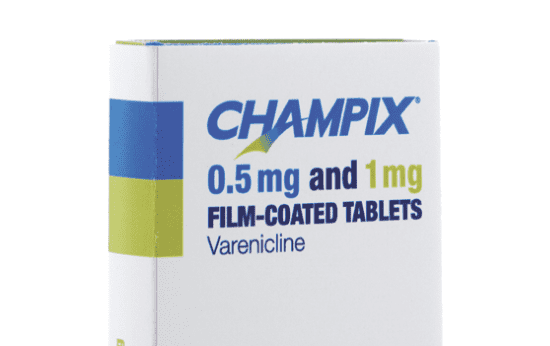
Champix better than patches for smoking cessation
pharmafile | August 7, 2012 | News story | Sales and Marketing | Champix, FDA, Pfizer, Zyban, smoking
New research shows that Pfizer’s Champix is better than nicotine patch therapy at helping smokers kick the habit.
A Pfizer UK commissioned meta-analysis showed that patients taking Champix were significantly more likely to quit smoking and continue to abstain from smoking, than those using standard dose nicotine patch therapy.
The study also found that those on Champix (varenicline) saw statistically significant improvements at four, 12 and 52 weeks compared to high-dose nicotine patch therapy, and combination NRT (nicotine patch plus one additional acute formulation of gum, lozenge, inhaler or nasal spray).
NICE currently recommends Champix, NRT patches and generic Zyban (another smoking cessation pill), as well as behavioural therapy, as aides to help people stop smoking.
These all have equal weighting in the eyes of NICE, but Pfizer says that 63% of clinicians prescribe NRTs against just 26% who will favour Champix, with the NHS in England spending £33.7 million on the treatment last year.
Pfizer wants to see this statistic reversed and NHS spend increased – and hopes today’s data will go some way to making that happen.
But the firm may be out of luck – the drug made just $175 million last year, and this was down an alarming 25% on 2010’s figures, meaning its once touted blockbuster status will most likely not materialise.
Its slide has come after studies by the FDA in 2009 found that Champix significantly increases the risk of suicides, suicide attempts, self-harm and depression in people taking the drug compared to those using NRTs.
The FDA post-marketing study concluded that compared with nicotine replacement therapy, people using Zyban or Champix were far more likely to suffer from these side effects, with Champix having the highest level of serious side effects.
In reaction to these studies the FDA put a Boxed Warning on both Champix and Zyban warning of increased risk of adverse events.
Last year a Canadian study also showed that Champix (known as Chantix in North America) increases the risk of serious adverse cardiovascular events in people using the drug – something that Pfizer vehemently denies.
Patches are far less invasive and generally better tolerated than Champix, and are also easier to use – this means that UK doctors will most likely not reverse their prescribing habits when it comes to NRTs.
Ben Adams
Related Content

MRM Health’s ulcerative colitis treatment receives FDA Investigational New Drug clearance
Microbial Resource Management (MRM) Health has announced that its lead programme, MH002, has received Investigational …

Complement Therapeutics’ geographic atrophy treatment receives FDA Fast Track designation
Complement Therapeutics has announced that CTx001, its gene therapy treatment for geographic atrophy (GA) secondary …

Johnson & Johnson submits robotic surgical system for De Novo classification
Johnson & Johnson has announced the submission of its Ottava Robotic Surgical System for De …