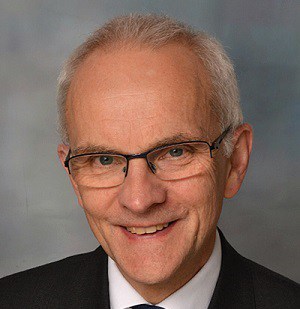
NHS Scotland appoints new Chief Scientist
pharmafile | October 10, 2017 | Appointment | Business Services, Manufacturing and Production, Medical Communications, Research and Development, Sales and Marketing | NHS, Scotland, biotech, drugs, pharma, pharmaceutical
NHS Scotland has revealed the appointment of Professor David Crossman as its new Chief Scientist, after advertising externally to fill the role. Crossman will take up the role from the 1 November onwards.
In his new position, Crossman will identify, promote and encourage research to address the healthcare needs of Scotland. The role involved formulating and implementing the Research Strategy for the NHS in Scotland and he will be responsible for the research budgets. The position will involve working for two days per week, in Edinburgh. He replaces Professor Andrew Morris who stood down from the role in July.
Crossman will join the NHS from his current role as the Dean of Medicine at the University of St Andrews. He has held the position at St Andrews from 2014, where he is responsible for the Faculty of Medicine. Prior to this, he had been Dean of Norwich University Hospitals in 2011 and head of the medical department at the University of Sheffield.
Crossman had specialised in cardiology, having interests in interventional cardiology and heart disease in pregnancy. He will continue to advise the Scottish Government over the digital health and social care agenda, alongside recommending future use of big data in relation to health and social care.
Related Content

“That gap between innovation and delivery was what stood out to me most”
Pharmafile chats with Camunda’s Natosha McNeal about the vital role of delivery, onboarding AI and …

Agentic commercial: how AI creates dialogue with HCPs and patients to help medicines reach them faster
By Chris Moore Commercial engagement in biopharma used to centre largely on direct conversations between …

Fortysomethings’ non-attendance at NHS Health Checks raises concerns, says study
People in their forties account for almost three-quarters of those who do not attend NHS …