Pulses of light may offer ward against mosquitos
pharmafile | June 19, 2017 | News story | Research and Development, Sales and Marketing | malaria, mosquito
Research emerging from scientists at the University of Notre Dame has found that exposing mosquitos to light during the night may dramatically change feeding habits of mosquitos. It was found that just 10 minutes of exposure to light resulted in a greatly reduced habit to feed by the mosquitos.
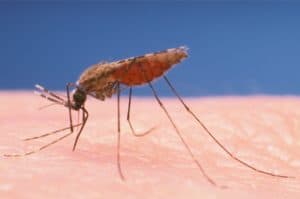
The mosquitos used in the trial were Anopheles gambiae, which are the major contributors to the spread of malaria in sub-Saharan Africa – where 90% of deaths from malaria take place. It is hoped that by targeting this type of mosquito, the researchers can bring about actionable preventative measures that can be used in areas of high malaria occurrence.
The results are of some significance, as the researchers highlighted that traditional methods of keeping mosquitos at bay in the evening are becoming less effective as mosquitos adapt.
“Anopheline mosquitoes are adapting to these current methods by developing resistance to insecticides and by shifting feeding to earlier in the evening or later into the early morning, times of the day when people are not in bed and therefore not protected by a net. So what used to be an efficient method is becoming less effective,” said Giles Duffield, Associate Professor of Biology in the Department of Biological Sciences at the University of Notre Dame. “We need to discover new methods to address mosquito control and prevention. The systems and tools we currently have including global distribution and usage of insecticide-treated bed nets and spraying are not enough.”
The team tested two groups of mosquitos, those that were kept entirely in the dark and those that were exposed to pulses of white light for 10 minutes. The researchers then exposed their arms to the mesh lining that allowed mosquitos to feed while remaining contained, finding that the mosquitos exposed to light had a reduced inclination to feed.
In a further experiment, the mosquitos were exposed to light every two hours for a 12-hour period and found that they were also less likely to feed for this extended period.
The research opens the possibility of trialling different wavelengths of light, such as red light, that would disturb the sleep of those in the same room less. Beyond this, there is also scope to research whether different hertz of light may also have a greater effect.
Ben Hargreaves
Related Content
First malaria medicine for infants under 4.5kg receives approval
Coartem (artemether-lumefantrine) Baby, or Riamet, has been approved by Swissmedic as the first malaria medicine …

FDA approves Roche’s test for malaria in blood donors
Roche has announced that the US Food and Drug Administration (FDA) has approved its cobas …

WHO recommends new vaccine for prevention of malaria in children
The World Health Organization (WHO) has announced that it has recommended a new vaccine, R21/Matrix-M, …