Xarelto gains lucrative new licence from FDA
pharmafile | November 7, 2011 | News story | Sales and Marketing |
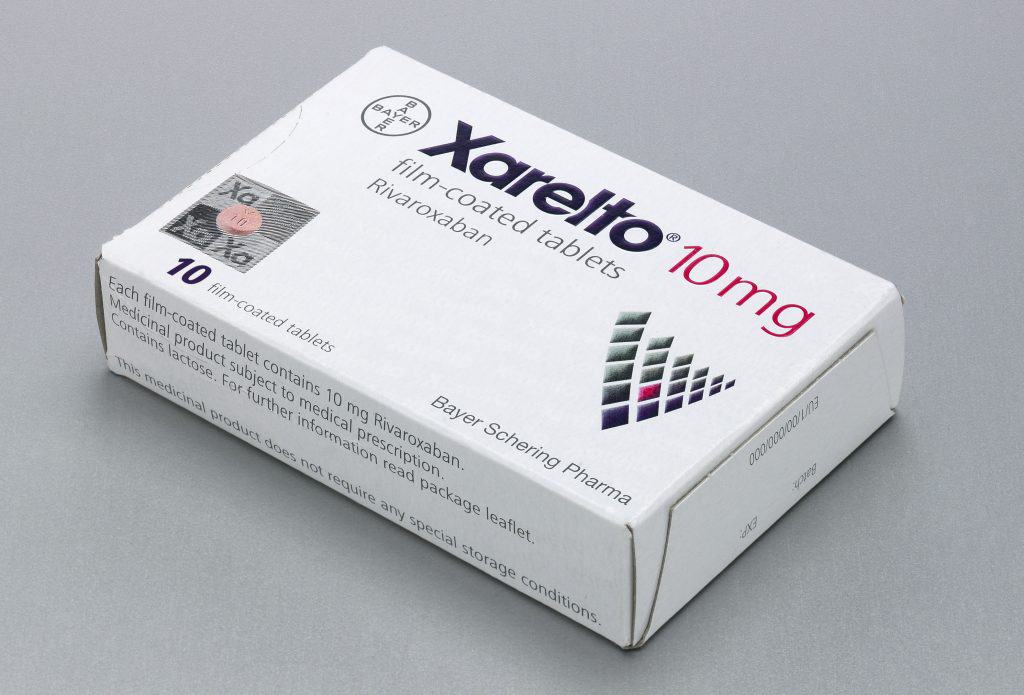
The FDA has approved Bayer/J&J’s Xarelto once-daily pill for stroke prevention in patients with an abnormal heart rhythm.
The US regulator has approved the anticlotting drug Xarelto (rivaroxaban) to reduce the risk of stroke in people who have non-valvular atrial fibrillation.
This is the second licence for the drug – in July the FDA approved Xarelto to reduce the risk of blood clots, deep vein thrombosis, and pulmonary embolism following knee or hip replacement surgery.
But its new licence is expected to generate more sales than its first, as there are many more AF patients with a high stroke risk.
Bayer has said it expects more than €2 billion ($2.7 billion) in peak annual sales from the product.
For Johnson & Johnson, which holds the US licence for the drug, analysts are forecasting sales of around $700 – $800 million in 2015.
But the drug has received a black box safety warning, which warns patients against discontinuing use of Xarelto without consulting their doctors, as stopping abruptly may increase risk of stroke.
Dr Norman Stockbridge, a director in the FDA’s Center for Drug Evaluation and Research: “Atrial fibrillation can lead to the formation of blood clots, which can travel to the brain, blocking blood flow and causing a disabling stroke.
“This approval gives doctors and patients another treatment option for a condition that must be managed carefully.”
Emerging $20 billion market
Xarelto is one of three drugs that are currently battling to gain a leading share of the $20 billion market for new oral anticoagulant therapies.
This includes Boehringer Ingelheim’s twice-daily oral anticoagulant Pradaxa (dabigatran), which a stole a march on Xarelto when it was approved by the FDA for stoke prevention in AF patients more than a year ago.
Pfizer/Bristol-Myers Squibb’s Eliquis (apixaban) is also hot on their heels and expects an FDA decision on the same licence within the coming months.
Eliquis may now emerge as the leader of the pack, ISI Group analyst Mark Schoenebaum said in a note to investors, as the drug has so far shown the best clinical data, especially for reducing the risk of major bleeding.
All three drugs are looking to replace the first oral anticoagulant warfarin, which requires frequent monitoring due to bleeding risks.
For pharma the warfarin replacement market is expected to be worth between $10 billion and $20 billion a year.
But Xarelto has not been able to show superiority to warfarin in trials, meaning it may not be as attractive to doctors as Pradaxa.
In its recent RE-LY Phase III study, Pradaxa significantly reduced the risk of stroke and systemic embolism by 34% compared to warfarin in AF patients.
Ben Adams