Vimizin shown green light
pharmafile | February 19, 2014 | News story | Research and Development, Sales and Marketing | BioMarin, FDA, congenital enzyme disorder, vimizin
Regulators have shown the green light to BioMarin Pharmaceutical’s Vimizim as a treatment for a rare enzyme deficiency which affects just 800 people in the US.
After a priority review, the Food and Drug Administration has made Vimizim (elosulfase alfa) the first approved treatment for Mucopolysaccharidosis Type IVA (Morquio A syndrome).
The drug is also the first to receive the FDA’s rare pediatric disease priority review voucher, a scheme which encourages the development of new drugs and biologics for rare diseases in children.
Morquio A syndrome is an autosomal recessive lysosomal storage disease caused by a deficiency in N-acetylgalactosamine-6-sulfate sulfatase (GALNS).
Vimizim’s modus operandi is to replace the missing GALNS enzyme, whose absence leads to problems with bone development, growth and mobility.
“This approval and rare pediatric disease priority review voucher underscores the agency’s commitment to making treatments available to patients with rare diseases,” said Andrew Mulberg, deputy director at the FDA’s Center for Drug Evaluation and Research (CDER).
The brand’s safety and effectiveness have not been established in patients under five years of age. At a trial involving 176 participants (aged from five to 57) with Morquio A syndrome, those treated with Vimizim showed great improvement in a six-minute walk test.
On average they were able to walk 22.5 metres further in six minutes than the patients who had received placebo.
The most common side effects included fever, vomiting, headache, nausea, abdominal pain, chills and fatigue – and the drug’s packaging has to feature a boxed warning about the risk of anaphylaxis after life-threatening anaphylactic reactions occurred in some patients during Vimizim infusions.
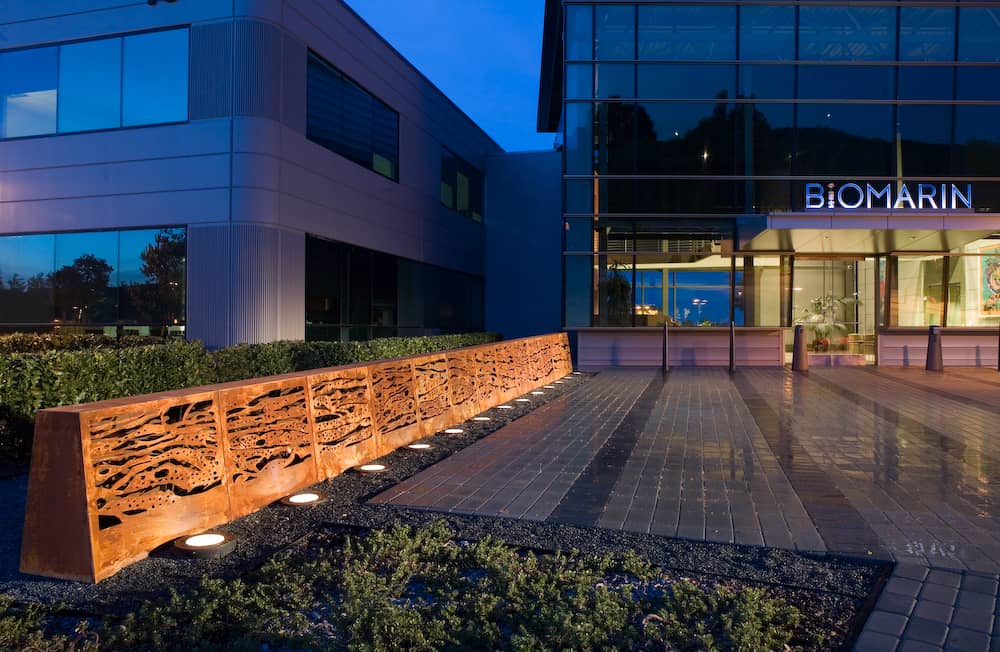
Two years ago the FDA granted approval to BioMarin’s $60 million expansion of its manufacturing facility in Novato, California.
The site was first licensed to produce Aldurazyme (laronidase) for mucopolysaccharidosis I (MPS I) in 2003, followed by Naglazyme (galsulfase) for MPS VI in 2005.
Adam Hill
Related Content

EndoCyclic New Drug application approved by US FDA for endometriosis treatment
EndoCyclic Therapeutics’ Investigational New Drug (IND) application for its lead programme, ENDO-205, has been approved …

MRM Health’s ulcerative colitis treatment receives FDA Investigational New Drug clearance
Microbial Resource Management (MRM) Health has announced that its lead programme, MH002, has received Investigational …

Complement Therapeutics’ geographic atrophy treatment receives FDA Fast Track designation
Complement Therapeutics has announced that CTx001, its gene therapy treatment for geographic atrophy (GA) secondary …