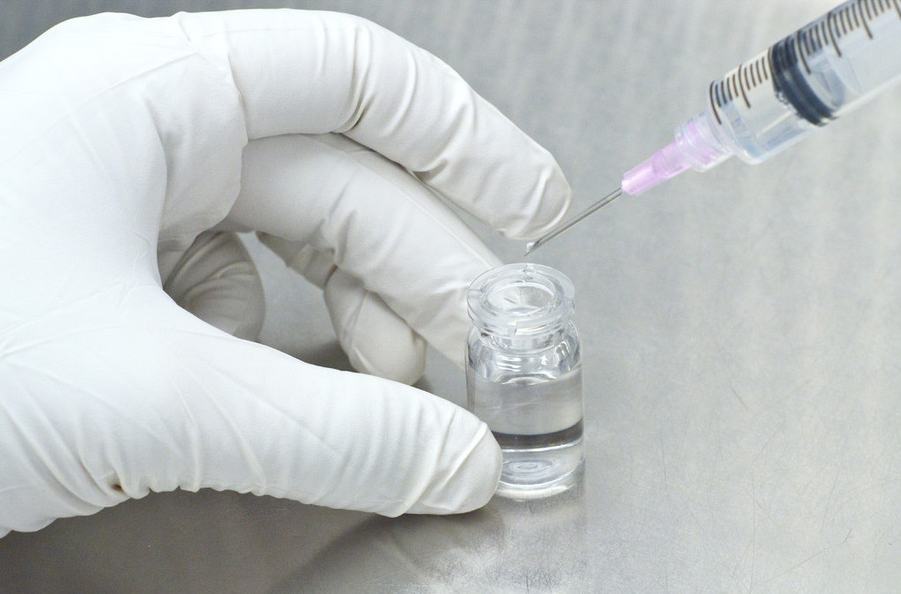
US compounder recalls products after bacterial infections
pharmafile | August 12, 2013 | News story | Manufacturing and Production | Cedar Park, Specialty Compounding
Concerns about the safety of drugs made by compounding manufacturers arose again last week after Texas-based Specialty Compounding announced a major recall on reports of serious infections.
The Cedar Park business said it is recalling all unexpired sterile medicines dispensed since 9 May after reports of bacterial infection affecting 15 patients treated with intravenous infusions of the company’s calcium gluconate product at two Texas hospitals.
Calcium gluconate is given as an intravenous treatment for various indications, including severe calcium deficiency and as a cardioprotective agent in patients with excess potassium levels in the blood.
The patients developing bacterial blood stream infections were treated at Corpus Christi Medical Center Doctors Regional and Corpus Christi Medical Center Bay Area and – according to a company statement “there is a potential association between the infections and the medication”.
Ray Solano, pharmacist in charge at Specialty Compounding, which is a subsidiary of Peoples Pharmacy Inc., said: “Because of the potential association between the hospital-based infections and sterile compounded medications produced by Specialty Compounding, we are voluntarily recalling all sterile products out of an abundance of caution.”
He added: “We deeply regret the impact this recall has on our patients and the hospitals that we serve, but patient safety must always be our first concern.”.
The voluntary recall comes a time of heightened scrutiny of the activities of compounding pharmacies prompted by a fungal meningitis outbreak caused by dubious production practices at the New England Compounding Pharmacy (NECC), which claimed more than 60 lives last year.
Meanwhile, at the end of July, a compounding pharmacy called Rxtra Solutions – the operating name of Michigan-based Beacon Hill Medical Pharmacy – announced a recall of dozens of different sterile products made since the start of 2013 on sterility concerns.
New regulations
The situation has prompted Congress to try to introduce a regulatory framework for compounding pharmacies, including drawing up an official category of ‘compounding manufacturers’ to differentiate between the activities of small-scale pharmacies and larger operations that sell sterile products without, or in advance of, a prescription and sell those products across state lines.
The Pharmaceutical Quality, Security and Accountability Act (S. 959) is trying to tighten up regulation in this area and give the US Food and Drug Administration (FDA) greater powers to oversee compounding pharmacies, a problem recognised by a recently-published Government Accounting Office (GAO) report.
S.959 – which would also introduce a national track-and-trace scheme for medicines – is currently passing through the Senate law-making process but did not make it to a full debate ahead of the August recess.
The legislation would improve the safety of compounded drugs by making clear the compounding oversight responsibilities of state and federal authorities, according to Senator Tom Harkin, one of the architects of the new bill.
“I am saddened to learn of yet another incident where patients have been potentially harmed due to tainted drugs produced by a compounder”, said Harkin.
“I hope that the Senate takes up and passes the PQSA as soon as possible so that the FDA and state boards of pharmacy can have the guidance necessary to carry out their work to protect all Americans”, he added.
Phil Taylor