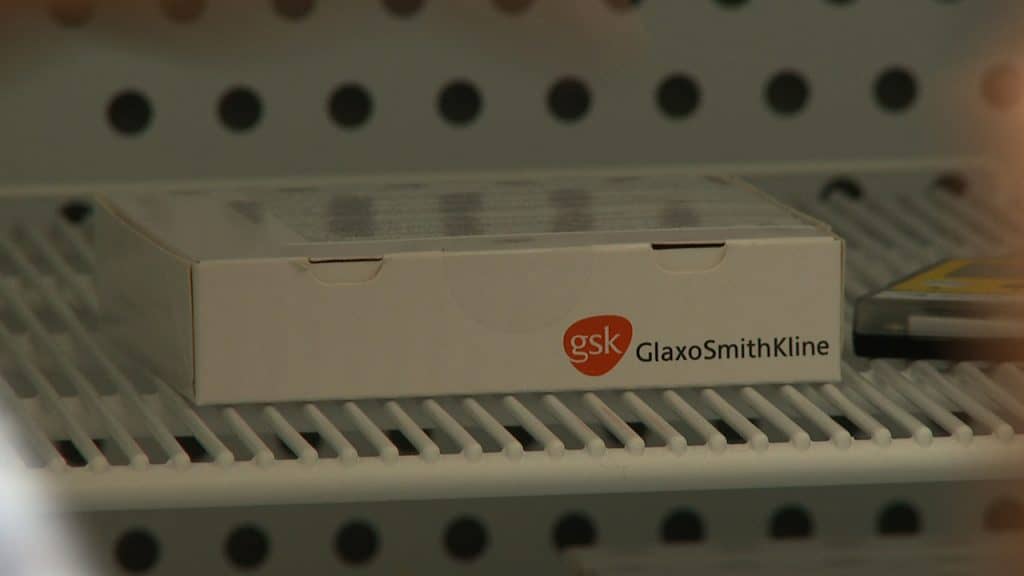
UK recoups cost from unused H1N1 vaccine
pharmafile | April 7, 2010 | News story | Sales and Marketing | GSK, NHS, h1n1
The UK government has agreed a deal with GlaxoSmithKine on surplus supplies of its H1N1 vaccine Pandemrix.
The Department of Health has capped its order at 34.8 million doses, including those already delivered, and there is no cancellation fee for the manufacturer. The government had originally ordered 60 million doses.
The government has not disclosed how much the move will save, but the figure is certain to run into millions.
“This deal means the UK will save approximately one third of the original value of the orders with GSK,” said health secretary Andy Burnham.
Labour is trumpeting the deal as an example of cost-consciousness, with Burnham calling it “good value for the taxpayer”. A “strategic stockpile to protect the UK population” has been retained, he adds.
However, the pharma company will not lose out through the deal, as the government has agreed to spend the saved money on other GSK products- H5N1 bird flu vaccine Prepandrix and courses of the antiviral Relenza.
The government says the risk of a bird flu pandemic remains as likely as before the current pandemic.
“The probability of a bird flu pandemic, which is likely to be more severe than swine flu, has not diminished,” says Burnham.
“This agreement means we are ready if a bird flu pandemic occurred, and allows us to maintain our status as one of the most prepared countries in the world.”
Currently GSK, Novartis, Sanofi-Pasteur and Baxter provide A/H1N1 vaccines and Pandemrix has been one of the biggest sellers to governments across Europe.
However, as the threat of swine flu recedes, it is likely that renegotiations will become more common: German orders for Pandemrix were cut by 30% earlier in the year and the UK cancelled the Baxter swine flu contract in February.
The government originally ordered sufficient vaccine to protect the entire population if needed, but as evidence on the swine flu virus developed it was advised that this was no longer necessary – hence the new Pandemrix agreement.
“This both protects the public purse and ensures the UK remains at the forefront of pandemic preparedness worldwide,” Burnham concluded.
The Department of Health will continue to immunise patients in priority groups, such as pregnant women, who remain at risk from swine flu.
The government intends to donate 3.8 million doses of vaccine to the World Health Organisation to boost immunity in Africa before the rainy season.
Related Content

Under-Secretary of State for Health Innovation and Safety visits new building on University of Huddersfield’s NHIC
Dr Zubir Ahmed MP, the Under-Secretary of State for Health Innovation and Safety, has visited …

Digital mental health technologies – a valuable tool in supporting people with depression and anxiety
The potential benefits of digital mental health technology for managing depression, anxiety and stress, together …
GSK’s Exdensur receives MHRA approval for asthma and rhinosinusitis
GSK’s Exdensur (depemokimab), a twice-yearly biological medicine, has received approval from the UK Medicines and …