UK pharma teams up for better cancer drug access
pharmafile | September 20, 2013 | News story | Medical Communications, Sales and Marketing | Cancer Drugs Fund, NICE, Novartis, Roche, Sanofi, avastin, no
A new survey funded by oncology drug makers Roche, Sanofi and Novartis has found that four in five adults want the NHS to offer levels of access to treatment at least comparable with other countries.
Half believe the NHS should be a world leader in the treatments available to patients and should pay for all treatments regardless of how much they cost, going beyond international standard practice.
The findings by the UK subsidaries of the three firms are intended to increase the pressure on the UK Government to make clear its plans for the £650 million Cancer Drugs Fund.
This is because the current arrangements are due to come to an end in March 2014, with questions marks hanging over what, if anything, will replace it.
Since its introduction, the Fund has seen more than 30,000 patients access new cancer medicines that were either rejected by NICE, or under an appraisal by the watchdog.
It has been estimated that 16,000 patients a year would be denied access to cancer medicines without the Cancer Drugs Fund, according to the three firms.
Key findings from the survey of 2,004 British adults in July include:
• Half (50%) say that the NHS should be a world leader in the treatments available for patients and should pay for all treatments, regardless of how much they costs and a further two in five (39%) say that the NHS should pay for treatments that are available in other countries, ensuring that patients in the UK are not worse off than those in other countries
• One in five (20%) say that the NHS should give greater priority to treating patients who have severe illnesses, including those with terminal illnesses
• Just 5% believe that the NHS should only pay for treatments up to a certain maximum price
• More than four in five British adults (83%) believe that decisions about which treatments are paid for by the NHS should be made at a national level.
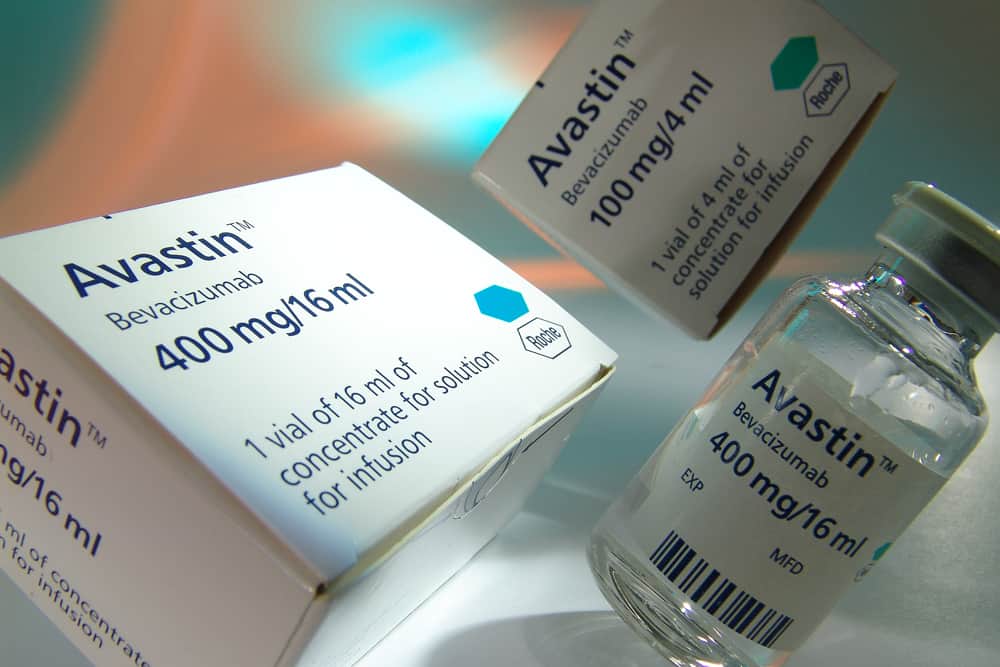
Roche in particular has been fighting for better cancer drug access in the UK as it has seen many of its oncology products, notably the multi-license Avastin which is the most commonly request drug via the CDF, knocked back by NICE over the years.
Both Sanofi and Novartis are also big in oncology, and too have suffered from negative NICE decisions over the past year.
The CDF was set up in 2010 as a stop-gap to fund new cancer medicines not recommended by NICE until the introduction of a new drug pricing scheme – Value-Based Pricing – that is set to come into play from January next year.
But details are still scarce on just how VBP will work and whether it will increase access to new cancer medicines. NICE argues that the drugs it does not recommend are simply too expensive with uncertain benefit, and are therefore not cost effective options for a cash-strapped NHS.
Commenting on the findings Mark Flannagan, chief executive of Beating Bowel Cancer, said: “The Government gave a pledge that if your doctor thinks that you should have a cancer drug that will help you to live a longer and better life you should get that drug.
“The Cancer Drugs Fund has given better access to vital medicines and improved outcomes for thousands of patients. With it due to end, we fear that patients’ lives will be put at risk. We simply can’t go backwards to a time when cancer patients had to beg for life-extending treatment.”
Ben Adams
Related Content

Scotland starts newborn screening for SMA
As part of a two-year evaluation funded by the Scottish government and Novartis, Scotland will …

Roche adds 2,176 NVIDIA Blackwell GPUs to its hybrid-cloud AI factory
Roche has expanded its global AI infrastructure with a NVIDIA AI factory, adding 2,176 high-performance …

Digital mental health technologies – a valuable tool in supporting people with depression and anxiety
The potential benefits of digital mental health technology for managing depression, anxiety and stress, together …