UK at centre of Eisai plans
pharmafile | September 18, 2012 | News story | Research and Development, Sales and Marketing | CNS, Cancer Drugs Fund, Eisai, Fycompa, Halaven
Diseases of the central nervous system (CNS) and cancer will be the main areas targeted by Japanese firm Eisai as it tries to deal with global patent cliffs, according to the company’s European boss.
This year’s loss of protection for its Alzheimer’s drug Aricept (donepezil) has hit the firm hard but new launches point towards a brighter future, the manufacturer insists.
“That’s life,” said Gary Hendler, chief executive of Eisai EMEA and Russia, talking about Aricept’s patent expiry. “The plan is to recover from that rapidly, and launching Fycompa six months after that is good news.”
Eisai has already said it planned to cut 900 jobs in the US, Japan and Europe by 2016 to help offset the impact felt by Aricept’s loss.
First-in-class epilepsy drug Fycompa (perampanel) was launched last week in the UK, Germany and Austria, with the rest of Europe to follow over the next 12 months.
The once-daily pill has been indicated as as an adjunctive treatment for partial-onset seizures, with or without secondarily generalised seizures.
The UK was chosen to launch Fycompa in part because of the money that the Japanese manufacturer has already spent here.
“It was strategic, to do with Eisai investing in the UK,” Hendler told InPharm. “Also, the UK is the last free price market in Europe, we can get into the market quicker here.”
In March the company announced it was expanding its British base in Hatfield, opened in 2009 at a cost of £100 million, to support its growing EMEA business.
The Japanese firm has made no bones about the fact that the decision was based in large part on what it sees as the UK government’s commitment to the UK life sciences industry.
“We’re going to be manufacturing Fycompa globally out of the UK,” continued Hendler. “It will be the first Eisai drug manufactured outside of Japan.”
Fycompa also has a heritage here: the drug was discovered by UK scientists in collaboration with Japanese colleagues, with much work on it done at Eisai London Laboratories at UCL.
“This drug was developed in the UK initially in multiple sclerosis, Parkinson’s disease and neuropathic pain but none of these indications made it,” Hendler explained.
“We’re doing some life cycle work with Fycompa,” he went on, and future plans for the drug include a paediatric formulation.
CNS is an obvious fit here. “The neurologist is the same doctor who treats dementia and epilepsy,” Hendler continued. “And we have moved into oncology.”
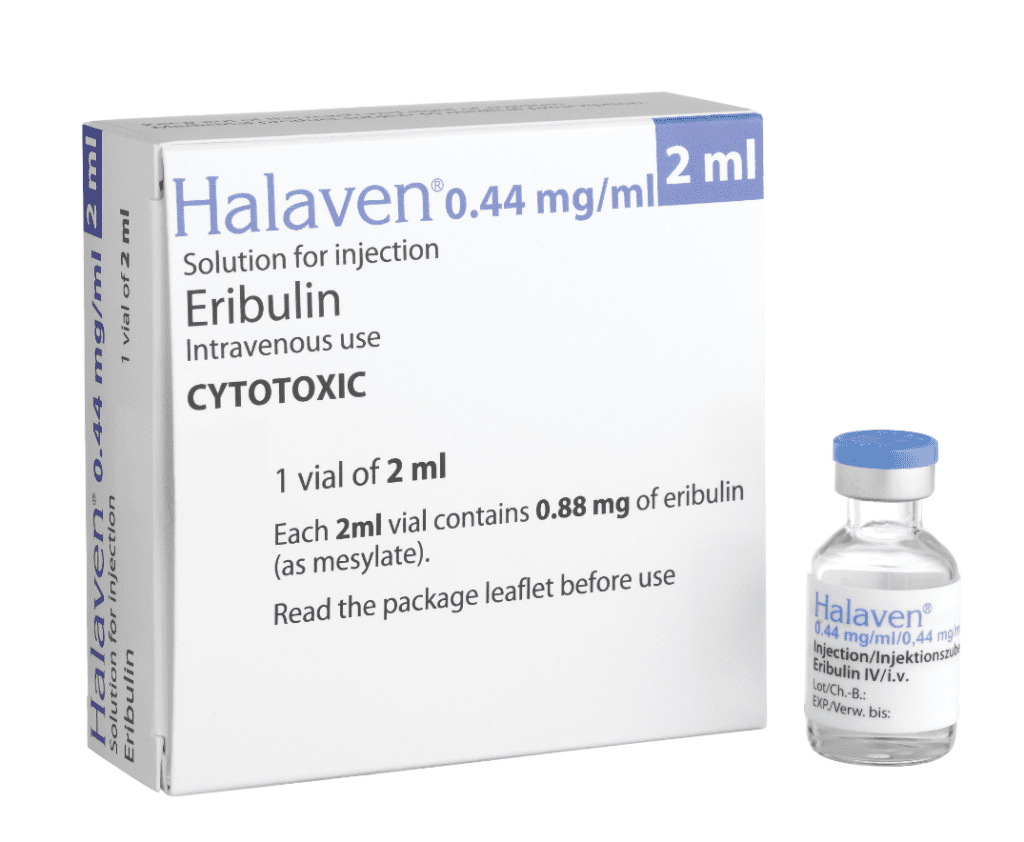
Indeed the growth of Eisai will depend in large part on its new breast cancer drug Halaven (eribulin), which gained US and European approvals last year.
Access to the Cancer Drugs Fund has helped the brand. “Halaven’s doing remarkably well in the UK,” said Hendler, also highlighting investigational molecule farletuzumab, which is in a Phase III trial in ovarian cancer.
“CNS and oncology is where it’s at,” Hendler concluded.
Adam Hill
Related Content
Eisai presents latest findings for lecanemab at Alzheimer’s Association International Conference (AAIC)
Clarity AD open-label extension (OLE) data show: three years of continuous lecanemab treatment reduced clinical …
Eisai and EcoNaviSta enter dementia collaboration
Eisai and EcoNaviSta have announced that they have entered into a business alliance agreement, initiating …

Eisai and Biogen’s Leqembi launched for Alzheimer’s treatment in China
Eisai and Biogen have announced that Leqembi (lecanemab) has been launched in China as a …