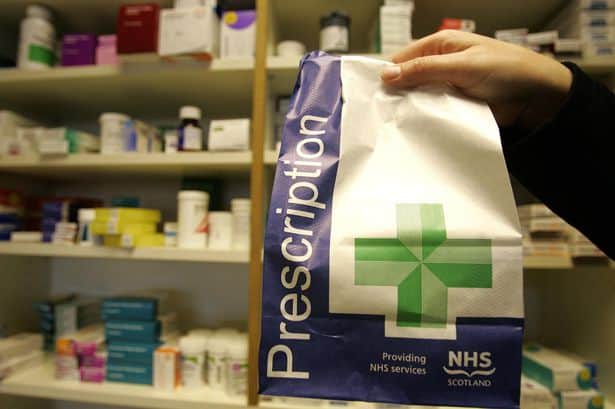
Sizeable increase to NHS prescription fees
pharmafile | March 12, 2014 | News story | Sales and Marketing | Hunt, Lamb, NHS, UK, howe, prescriptions
The UK government has confirmed that NHS prescription charges will go up by 40p to £8.25 over the next two years.
Dental charges are also in line for a pricing surge as they increase by up to £5, with a band one course of treatment for example – such as taking an X ray – growing by 50p to £18.50.
UK health minister Norman Lamb said in a statement that the increases were justified given the increasing demands on the NHS, with spending on medicines alone almost doubling since 2000.
Fellow health minister Earl Howe, added: “This government has made tough decisions to protect the NHS budget and increase it in real terms, but charges for some items remain an important source of revenue to support the delivery of high quality NHS services.”
The current prescription charge is £7.85 per item (branded or generic), but from April the fee for each medicine or appliance dispensed will be £8.05, increasing to £8.25 for the following year.
The cost of prescription prepayment certificates that are also known as ‘season tickets’ – which can be bought to cover costs for three or 12 months – will remain unchanged at £29.10 and £104, respectively.
Howe added that around 90% of prescriptions in England are currently dispensed free of charge, and that there are exemptions for people on low incomes, children and the over 60s.
Indeed the fee increasing news will not concern patients in Wales, Scotland and Northern Ireland where prescription costs have been scrapped. But not everyone can afford to be blasé about the government’s announcement.
Chief executive of Asthma UK Kay Boycott, said she was ‘deeply disappointed’ by the increase in charges. She added: “We are particularly concerned that the cost of medicines is forcing people to make dangerous choices about their health.
“If people with asthma are not taking their medicines as prescribed they are putting themselves at an increased risk of a serious asthma attack. Not only does this have a detrimental impact on their quality of life but has cost implications to both the NHS and to society as a whole.”
Neal Patel of the Royal Pharmaceutical Society also points out that prescription charges have risen for 34 of the past 35 years, and that “research consistently shows one in three people who work and have a long-term condition struggle to afford their medicines.”
He added: “If you live in England and are unlucky enough to have a long term-condition, you have a high chance of living in medicines poverty and possibly losing your job unless you have an understanding employer.”
Brett Wells
Related Content
Under-Secretary of State for Health Innovation and Safety visits new building on University of Huddersfield’s NHIC
Dr Zubir Ahmed MP, the Under-Secretary of State for Health Innovation and Safety, has visited …

Digital mental health technologies – a valuable tool in supporting people with depression and anxiety
The potential benefits of digital mental health technology for managing depression, anxiety and stress, together …

A community-first future: which pathways will get us there?
In the final Gateway to Local Adoption article of 2025, Visions4Health caught up with Julian …