Scientists create ‘map of drugs’ to aid further development
pharmafile | December 5, 2016 | News story | Manufacturing and Production, Medical Communications |
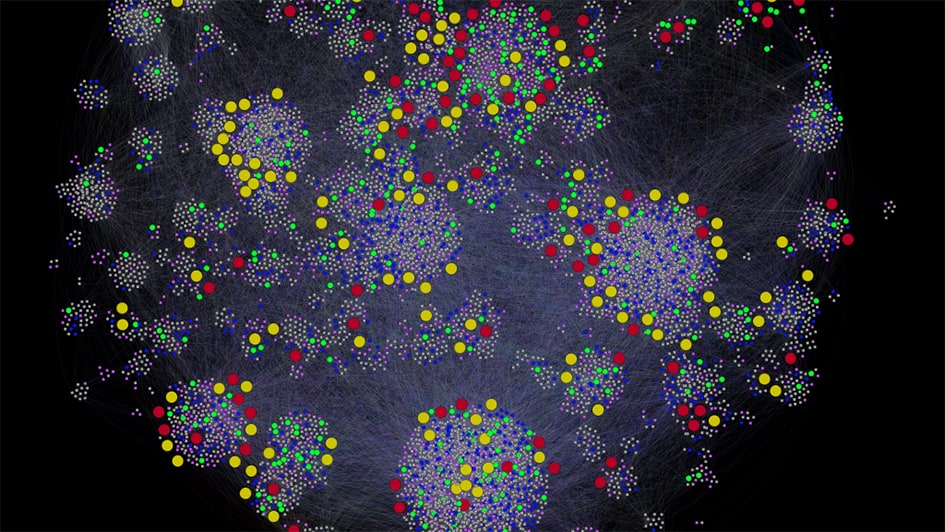
Researchers at The Institute of Cancer Research have used drugs licensed through the FDA to create a map of all 1,578 drugs and their mechanism of action. The study revealed that only 667 of the estimated 20,000 human proteins have had drugs developed to act upon them. This works out at roughly only 3.5% of possible proteins being targeted by current drugs.
The study suggests that there are further avenues for research in the particular ‘gaps’ in the map, where treatments have not yet been developed. It is also able to point towards which treatments may overlap across different diseases.
The research also identified that there were two drugs for every target in humans but also that some proteins were targeted consistently by treatments. An example was provided of the glucocorticoid receptor that is the target of 61 different anti-inflammatory drugs. The map could now be used to identify proteins with similar properties to the most commonly targeted, opening up new treatment avenues.
Professor Paul Workman, chief executive of the ICR, said: “We need to do more to innovate in drug discovery if we are really going to tackle the major medical challenges we face, such as cancer’s ability to evolve drug resistance in response to treatment. But to help direct future efforts in drug discovery, we first need a very accurate and comprehensive picture of the targets of the medicines that have been created so far, what is currently working, and most importantly where there is the greatest potential for the future.”
Ben Hargreaves