Science will ‘lose out’ if Scotland chooses independence
pharmafile | August 18, 2014 | News story | Research and Development, Sales and Marketing | Conservative, Scotland, UK, george freeman, life sciences
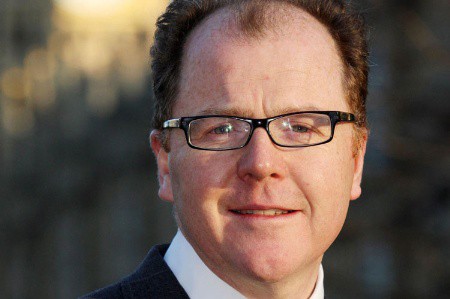
The new minister for UK life sciences George Freeman has warned that independence from England “would damage Scotland’s edge in biomedicine”.
Existing funding arrangements for research in the UK would not continue for an independent Scotland, which would hamper scientific collaboration with the rest of the UK according to Freeman.
He adds that biomedical research in Scotland enjoys a larger share of the national science budget in proportion to the size of its economy.
It also benefits from substantial funding from UK-based research charities, which would have to be ‘reconsidered’ should Scotland became independent, Freeman adds.
He says: “Scottish science and innovation makes a vital contribution to the UK’s world-class research base, bringing benefits for business and society as whole.
“However, our [the UK government’s] position has been made very clear to date on this important issue: if Scotland left the UK, the current framework for research could not continue.”
He adds that Scotland secured £257 million of UK Research Council grants in 2013, alongside medical research charities’ investment of more than £1 billion per year.
“All the evidence suggests that being part of the UK complements and strengthens Scotland’s world-class research base. Scottish institutions and researchers benefit from substantial funding, underpinned by a UK-wide tax base, with access to a nationwide network of world-class facilities and skills.”
This comes ahead of a key vote from Scotland on 18 September as to whether the country remains as a devolved nation within the UK (alongside England Wales and Northern Ireland), or is separated after more than 300 years of being legally bound into the United Kingdom.
The latest polls suggest Scotland would narrowly vote ‘no’ to such as break-up, but Whitehall is offering substantial reforms and greater independence on certain issues as an incentive not to vote for independence.
As a Conservative cabinet minister Freeman, like the rest of his party (and indeed all major British parties), believes that independence would be a bad thing for the UK and for Scotland.
Freeman became Britain’s first life sciences minister in July and spent 15 years in the sector before becoming an MP in 2010.
He now works under the new science minister Greg Clark, a Conservative minister responsible for cities policy and constitutional reform, who took over in the summer after the previous holder David Willetts stepped down.
Freeman was involved in raising finance for start-ups and in developing the Scottish Life Science Strategy for the Scottish Executive in 2005-2006.
“Collaborations between Scotland and the rest of the UK have resulted in ideas with the capacity to change our lives. These exciting partnerships are a symbol of what can be achieved without geographical boundaries and the best way for research to continue to flourish in Scotland is together as part of the UK,” Freeman concludes.
Ben Adams
Related Content
Scotland starts newborn screening for SMA
As part of a two-year evaluation funded by the Scottish government and Novartis, Scotland will …

Chemify relocates to Glasgow’s new Health Innovation Hub
The company will be one of the first tenants in the city’s flagship life sciences …

Lilly opens fourth US Gateway Labs site
Eli Lilly has opened its newest Lilly Gateway Labs (LGL) site in San Diego, California, …