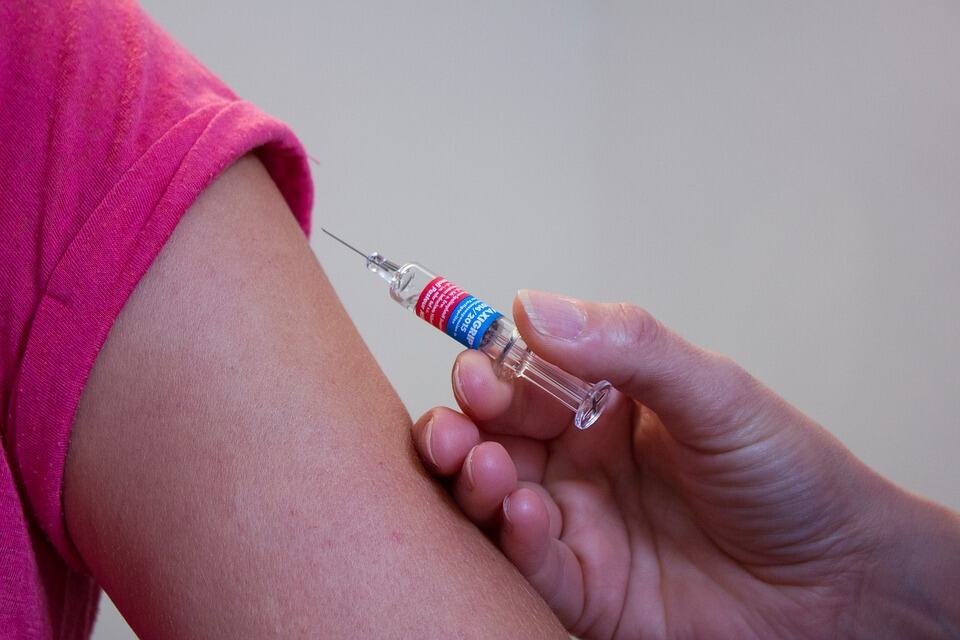
Rise in populism linked to vaccine hesitancy in Europe, study shows
pharmafile | February 26, 2019 | News story | Manufacturing and Production | EU, Europe, populism, populist parties, vaccine hesitancy, vaccines
Parent’s reluctance to vaccinate their children correlates with the number of people voting for populist parties, according to a study published in the European Journal of Public Health.
The study, authored by Jonathan Kennedy, Queen Mary University of London, found a significant positive association between the percentage of people in a country who voted for populist parties and the number of people who think that vaccines are not important or effective, in Europe.
“Vaccine hesitancy and political populism are driven by similar dynamics: a profound distrust in elites and experts,” the study says.
“It seems likely that scientific populism is driven by similar feelings to political populism – ie profound distrust of elites and experts by disenfranchised and marginalised parts of the population,” Kennedy explained.
Increased levels of political populism may thus alert public health bodies to rising levels of vaccine hesitancy.
“Support for populist parties could be used as a proxy for vaccine hesitancy, at least in the western European context, with an increase in support being a signal for public health actors to be vigilant,” the paper says.
Notably both Britain and Denmark had much higher levels of populism than scepticism surrounding vaccines. The study grouped together both right and left populist parties, votes for which both translate into greater scepticism surrounding vaccines.
“Greece has the highest per capita level of measles in western Europe,” Kennedy said. “There is a long history of why Greeks don’t trust the state. It goes back to the Ottoman occupation.
“The trouble is we do need to have some basic trust in experts to survive as a human society,” he said. To prevent measles outbreaks, it is necessary to have 95% of children vaccinated. “We need the state to protect those who cannot be vaccinated because of compromised immune systems.”
“The WHO talks about vaccines preventing 2 to 3 million deaths every year. It is very clear that they have a benefit to human society.”
Louis Goss
Related Content

Sharp invests $100m in US and EU manufacturing and packaging facilities
Sharp Services, a pharmaceutical packaging and sterile manufacturing specialist, has announced investments totalling $100m across …
Sarclisa recommended for EU approval in newly diagnosed multiple myeloma
The European Medicines Agency’s Committee for Medicinal Products for Human Use (CHMP) has recommended Sanofi’s …
EU approval granted for rare kidney disease treatment
The EU has granted marketing authorisation (MA) for Filspari – CSL Vifor and Travere Therapeutics’ …