Pharma-NHS diabetes project begins
pharmafile | February 9, 2011 | News story | Sales and Marketing | AstraZeneca, Lilly UK, MSD, NHS, Nottingham, Novartis, Novo Nordisk, Pfizer, Sanofi-Aventis, joint working
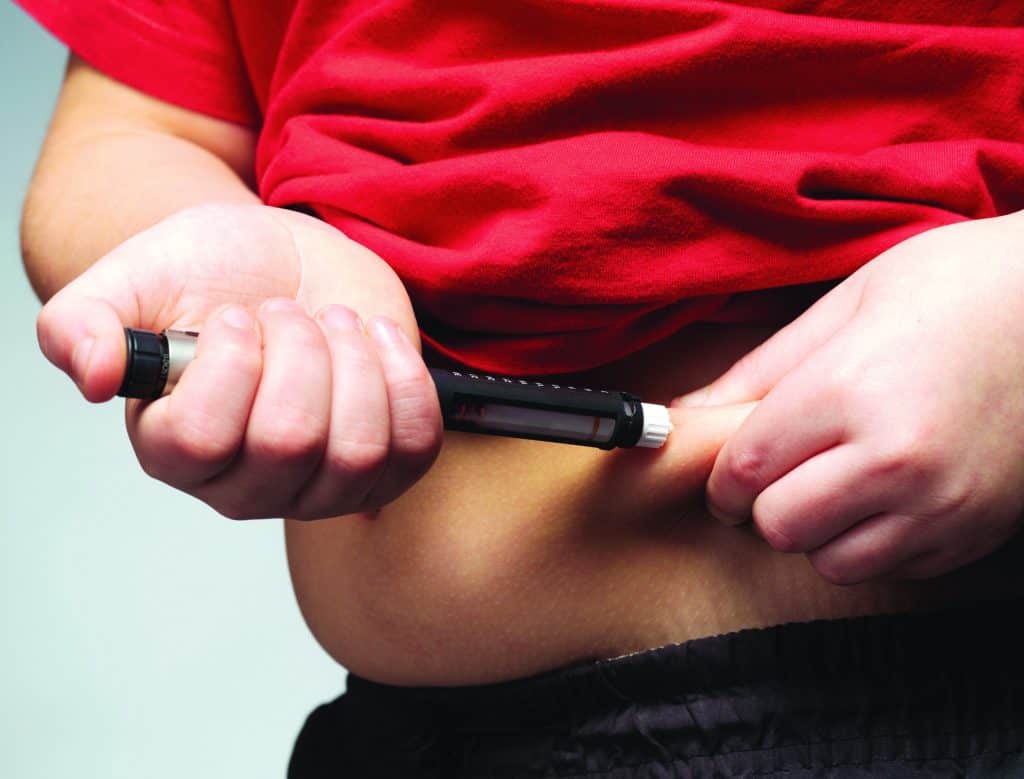
A joint venture between the NHS, charities and the pharma sector has begun in Nottingham to help treat the city’s 12,800 diabetes sufferers.
NIMROD (Nottingham NHS and Industry Maximising Resources and Outcomes in Diabetes) brings together the NHS Nottingham City PCT, Nottingham University Hospitals NHS Trust and Diabetes UK.
Also on board are seven pharma companies: AstraZeneca, Lilly UK, Novartis, Novo Nordisk, MSD, Sanofi-Aventis and Pfizer.
In 2009-10, more than 600 patients were admitted to Nottingham University Hospital trust sites with diabetes-related complications such as heart disease and stroke.
The programme aims to improve care and reduce unplanned admissions, analysing treatment patients have already received and seeing how this compares to the National Service Framework for diabetes and NICE clinical guidelines.
The two NHS bodies will pay 50% of the costs of the two-year project, with the pharma companies’ half of the funding split seven ways between them.
In addition to financial backing, the pharma firms each have a representative on a steering committee guiding the project.
“We didn’t design the project and then tell the pharma companies,” NIMROD Project Manager Jan Balmer told InPharm. “They have equal funding and an equal say in what happens.”
The companies had direct input into how NIMROD works, she says. “The pharma industry is really good at looking at something, setting objectives and working out a programme to achieve them.”
The idea is to identify common factors leading to admissions, and from that work on improvements to current treatment guidelines and service provision.
Supporting people with diabetes to manage their condition at home will also be a key part of the project.
“What pharma companies bring to the NHS is a whole different way of looking at things,” continues Balmer. “They have a background of R&D expertise, understanding methodology and how things work in a clinical sense.”
“We all have a shared interest in ensuring the patient gets the right deal,” she concludes. “The most expensive drug in the world is the one that doesn’t work.”
The ABPI is not directly involved in this project, although it did have a hand in an ongoing Nottingham programme called INFORCE, which was aimed at COPD patients. NIMROD builds on the success of this, Balmer explains.
“NIMROD is about reducing avoidable admissions and improving outcomes and that is exactly the same as with INFORCE,” she says.
And Balmer revealed that Nottingham University Hospital Trust is about to unveil a similar public/private scheme – this time involving GlaxoSmithKline, Shire and Prostrakan – to combat osteoporosis and falls. More details will be available shortly.
Adam Hill
Related Content
NIHR chief scientific adviser visits Huddersfield health innovation campus
Professor Lucy Chappell, Chief Scientific Adviser to the Department of Health and Social Care and …

Five Facts about NHS and primary care
1 Primary care is the front door to the NHS, but it extends well beyond …

Major funding opportunity opens for early cancer diagnostics
Up to £25.4m in funding is available for collaborative projects developing technologies to improve the …