Opioid crisis “highest initial priority” for new FDA Commissioner
pharmafile | May 24, 2017 | News story | Medical Communications, Research and Development | FDA, Scott Gottlieb, opioid, opioid crisis
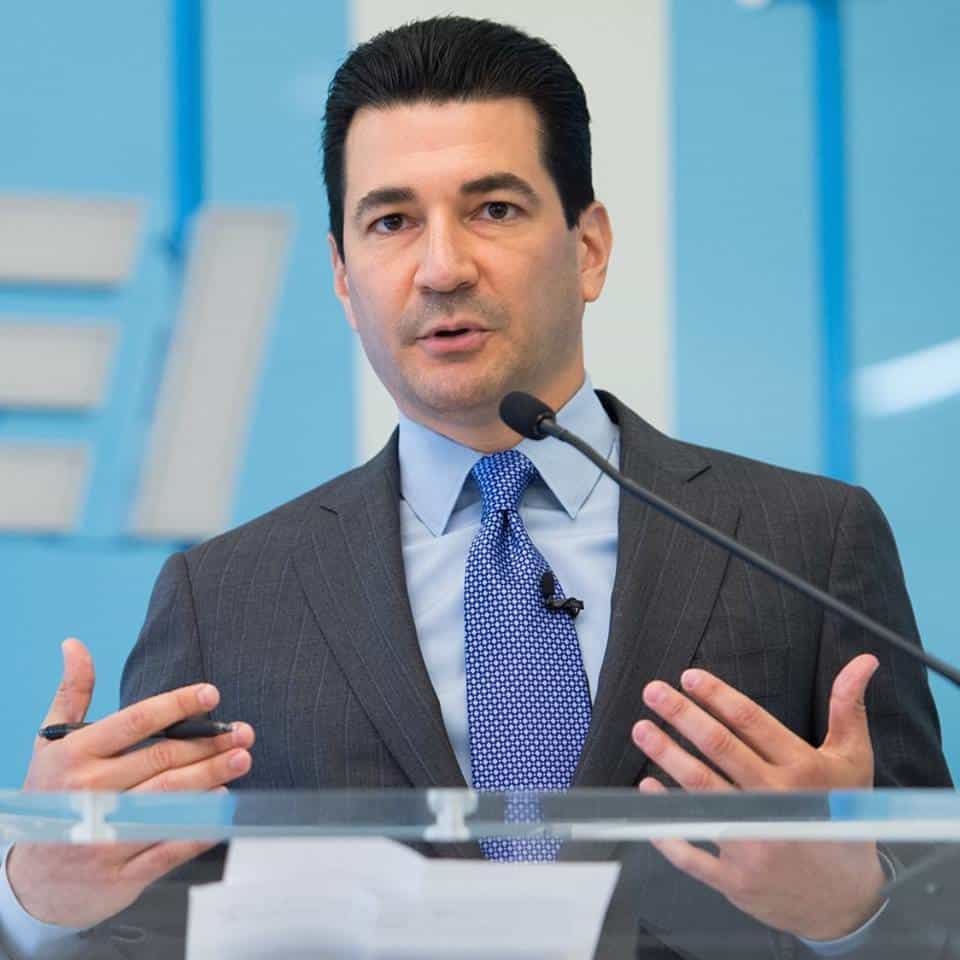
Scott Gottlieb, the newly appointment FDA Commissioner, has indicated that his first priority is to tackle the opioid crisis currently wracking the US, through messages on the FDA blog and in an internal email to FDA employees. He stated that the agency needed to examine what “additional, forceful steps” it could take to address the problem.
The first concrete step that has been taken is to establish an ‘Opioid Policy Steering Committee’, which brings together some of the leading figures within the agency; the aim of the new committee being to collaboratively establish new methods of combatting the opioid crisis.
Gottlieb stressed that he had asked all employees, but particularly the Steering Committee, to address three major questions:
- Are there circumstances under which FDA should require some form of mandatory education for health care professionals, to make certain that prescribing doctors are properly informed about appropriate prescribing recommendations, understand how to identify the risk of abuse in individual patients, and know how to get addicted patients into treatment?
- Should FDA take additional steps, under our risk management authorities, to make sure that the number of opioid doses that an individual patient can be prescribed is more closely tailored to the medical indication? For example, only a few situations require a 30-day supply. In those cases, we want to make sure patients have what they need. But there are plenty of situations where the best prescription is a two- or three-day course of treatment. So, are there things FDA can do to make sure that the dispensing of opioids more consistently reflects the clinical circumstances? This might require FDA to work more closely with provider groups to develop standards for prescribing opioids in different clinical settings.
- Is FDA using the proper policy framework to adequately consider the risk of abuse and misuse as part of the drug review process for the approval of these medicines? Are we doing enough when we evaluate new opioid drugs for market authorisation, and do we need additional policies in this area?
The second questions is an important one, with research emerging more and more frequently in reaction to the escalating problem, with studies tying the length of treatment to the propensity for addiction issues. One study found that those who received more than 30 pills were twice as likely to fill in an additional opioid prescription within three to six months.
Limiting the amount of painkillers that can be prescribed alongside educating prescribing doctors to be fully informed about the potential risk of abuse are changes that could have a dramatic effect with little cost.
However, there have already been critics about the action, or lack of, taken by the FDA. Washington Post reported Senator Edward Markey (Democrat) reacted to the release by commenting: “We don’t need another committee to study the opioid crisis, we need a real commitment from Dr. Gottlieb and the FDA to end the vicious cycle of opioid addiction”.
Though these calls for immediate action seems relatively premature, given that Gottlieb has been in his new position for just under two weeks, action does not to be taken swiftly to stem the crisis.
As Gottlieb noted in his blog, deaths from prescription opioids have quadrupled from 1999 and opioids were responsible for the death of 33,091 people in 2015 alone. Forming the Steering Committee is a positive first step so early into his tenure but the discussions that take place within will need to be followed by swift action to make a difference as the problem deepens.
Ben Hargreaves
Related Content

MRM Health’s ulcerative colitis treatment receives FDA Investigational New Drug clearance
Microbial Resource Management (MRM) Health has announced that its lead programme, MH002, has received Investigational …

Complement Therapeutics’ geographic atrophy treatment receives FDA Fast Track designation
Complement Therapeutics has announced that CTx001, its gene therapy treatment for geographic atrophy (GA) secondary …

Johnson & Johnson submits robotic surgical system for De Novo classification
Johnson & Johnson has announced the submission of its Ottava Robotic Surgical System for De …