Open access splits researchers
pharmafile | October 24, 2013 | News story | Medical Communications, Research and Development, Sales and Marketing | BMJ, open access, publishing, research
Small medical research charities are worried that the extra costs of open access publishing will have a significant impact on their budgets, according to new research published in the online journal BMJ Open.
Their concern is not shared by large research funding bodies, which do not see the problem in granting free, immediate, online access to academic research.
The smaller outfits are committed to the principal the survey found but think there are practical issues, since publishers – including BMJ Open – tend to recoup the cost of publication via a research grant rather than covering it themselves.
As charities in the main rely on public donations, it may be a hard sell to use these to pay the additional costs which are required for open access.
“The public choose to donate to medical research charities to fund research into new treatments and cures, and they want their money to make a difference,” explains Sharmila Nebhrajani, chief executive of the Association of Medical Research Charities.
“To [do this], charities want everyone to be able to learn from their research findings, which is why they support the principle of open access,” she went on.
The real sticking point is the upfront costs, which are not always easy for charities to justify since there are a variety of competing funding needs – such as other forms of public communication and support for people living with diseases.
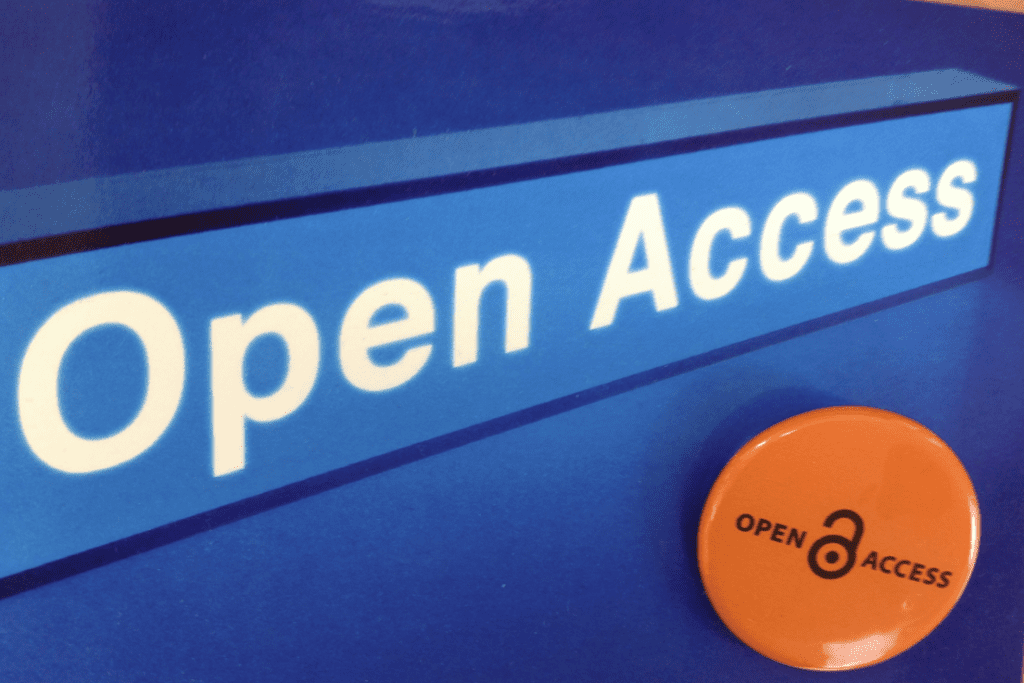
The report has been released during the seventh global Open Access Week (October 21-27), which aims to promote open access as the academic norm.
The qualitative study was carried out with what were called ‘semi-structured’ interviews about open access policies and preferences, involving 12 employees at ten UK biomedical research funding bodies in the public, private and charity sectors.
“To make the biggest difference for their patients and supporters, funding open access may not be the best decision for all charities right now,” Nebhrajani suggested.
“We need to create an environment where it can be: this means prices that are clear and competitive so that charities can get the best deal and show how they are investing their donations to make a difference,” she concluded.
Adam Hill
Related Content

Drug discovery and development partnership announced between Apollo Therapeutics and Oxford University
Portfolio therapeutics company Apollo Therapeutics has announced earlier this week that it will provide capital …

Bayer and Aignostics to collaborate for AI oncology research
Bayer and Aignostics have announced that they have entered into a strategic collaboration for several …

BMS shares new research and development plans at the company’s R&D day
Bristol Myers Squibb (BMS) recently held a Research and Development (R&D) Day in New York, …