Novartis emphasises pharma growth
pharmafile | June 19, 2014 | News story | Sales and Marketing | Novartis, breezhaler, dermatology, heart failure, oncology, respiratory
Novartis is to grow its pharma business by focussing on five key areas and predicts that it will have 14 or more blockbusters by 2018.
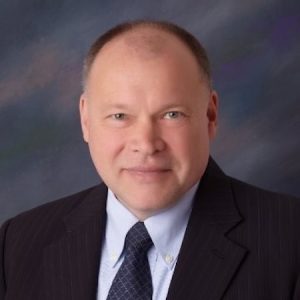
Oncology, dermatology, heart failure, respiratory and cell therapy are set to be the main drivers of future profitability, according to pharma division head David Epstein.
“Pharmaceuticals is preparing for a new growth phase, driven by greater depth in five business areas…to make a real difference in patients’ lives, while at the same time delivering significant returns on investment and contributing to margin expansion over time,” Epstein says.
His comments came at a ‘meet and greet’ event in Basel in which 20 Novartis executives answered questions from 100 investors and analysts.
“In the first few months of 2014, we have delivered on a number of commitments made at our last investor event in November to actively manage our portfolio, achieve greater synergies between divisions and lay the foundation for superior returns to shareholders,” says Novartis chief executive Joseph Jimenez.
Following a review of the portfolio in April, the business – including the Alcon and Sandoz divisions – is expected to be more profitable, he insists.
In oncology, Novartis has a strong pipeline, with the company saying the Phase III trial of LEE011 – a highly selective CDK4/6 inhibitor – in first line hormone receptor positive advanced breast cancer is ‘progressing well’.
It also believes Jakavi, currently indicated for myelofibrosis, could exceed $1 billion in peak sales if its licence is extended to the treatment of polycythemia vera (PV).
Dermatology compounds include AIN457 (secukinumab), the only fully human antibody targeting IL-17A, the first regulatory decisions on which are expected at the end of the year.
Meanwhile Novartis is touting LCZ696 in chronic heart failure and RLX030 (serelaxin) in acute heart failure as having the ability to ‘change treatment paradigms’ while in respiratory, its Ultibro Breezhaler is ‘building momentum’.
The company’s newly-created cell and gene therapy unit, through programmes such as Facilitating Cell Therapy Platform (FCRx) and CART, will also push things forward, it says.
But, products aside, the way that pharma is managed will have a crucial impact on performance, Epstein goes on.
“Pharmaceuticals aims to create shareholder value through a systematic approach to resource allocation and productivity supporting growth and innovation,” he explained. “Our resource allocation is expected to be a key enabler of margin expansion.”
Adam Hill
Related Content

Scotland starts newborn screening for SMA
As part of a two-year evaluation funded by the Scottish government and Novartis, Scotland will …

BMS’ Opdivo/Yervoy combination accepted by Scottish Medicines Consortium for colorectal cancer
Bristol Myers Squibb (BMS) has announced that its Opdivo (nivolumab) has been accepted, in combination …

Astellas Pharma’s Vyloy accepted by Scottish Medicines Consortium for gastric cancer
Astellas Pharma, a pharmaceutical company creating medicines to address unmet medical needs, has announced that …