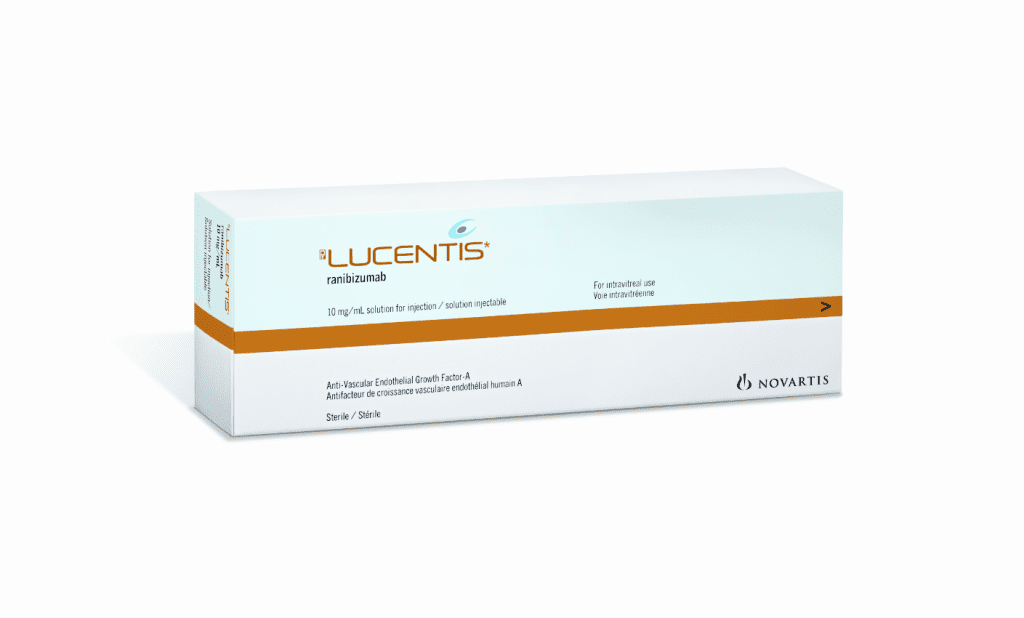
Novartis accused of Lucentis ‘campaign’ against Avastin
pharmafile | April 2, 2015 | News story | Sales and Marketing | Lucentis, NHS, Novartis, avastin, bevacizumab, ranibizumab, wet AMD
Novartis “embarked on a campaign to undermine and divert attention” from a cheap drug for vision loss and maintain the dominance of its more expensive treatment, a BMJ investigation alleges.
The Swiss firm, which has the marketing rights to Lucentis (ranibizumab) in Europe, blocked researchers’ efforts to conduct publically-funded trials of Avastin (bevacizumab) and lobbied the GMC against allowing the off-licence use of Avastin, the BMJ says.
Avastin costs around £34 per dose compared to the £742 per dose cost of Lucentis, and research suggests using Avastin as an off-licence treatment for wet age-related macular degeneration (wet AMD) could save the NHS £102 million a year.
NHS figures show hospitals in England spent £244m on Lucentis in 2012-13, a 21% rise on the year before. A gold-standard systematic review by the Cochrane Collaboration suggests Avastin – a cancer treatment – has comparable effectiveness to Lucentis as a treatment for wet AMD, a leading cause of vision loss and blindness in older people in the UK.
Yet the GMC discourages the use of Avastin for wet AMD in its medico-legal guidance, despite doctors’ appeals to be able to. The BMJ claims an earlier version of GMC guidance “contained a clause that encouraged doctors to prescribe off-label for reasons of cost” – but that the GMC performed a ‘major U-turn’ after being lobbied by the ABPI, the MHRA and the Royal National Institute for the Blind, who count Novartis as a regular donor.
The investigation found the charity’s former policy and campaigns manager – now head of external affairs for oncology at Novartis – complained to the Health Research Authority challenging the ethics of the TANDEM head-to-head study comparing Avastin and Lucentis.
Internal emails, released as part of an investigation into anticompetitive behaviour in pharma, reveal that Novartis felt a head to head study would “give physicians more confidence in Avastin”. So the company adopted a strategy of highlighting ‘methodological issues’ with comparative trials, and funded its own research and reviews demonstrating the benefits of Lucentis.
The TANDEM trial’s chief investigator, Dr Alex Foss, informed the BMJ a Novartis sales rep told him in a meeting the company “would do everything it could to stop the trial and would particularly challenge its ethics”, and suggested the company was working with the RNIB in a lobbying capacity.
The lead investigator of another comparative trial – the IVAN study – told the journal that Novartis, and Roche who market Lucentis outside of Europe, refused to supply Lucentis for the study.
Professor Barney Reeves said Novartis “tried to prevent UK ophthalmologists joining the IVAN trial” and their sales reps “lobbied potential principal investigators against the trial”, “telling them that the protocol was seriously flawed”.
Novartis has in the past forced judicial reviews of PCTs that offered to fund the off-label use of Avastin for wet AMD, lawyer David Lock confirms that “there is nothing to suggest that a doctor who appropriately prescribes Avastin for someone with wet AMD acts in breach of criminal law.”
He adds: “It is highly unlikely that a doctor would breach a duty of care by appropriately prescribing Avastin provided the patient made an informed choice to select the drug.”
In an editorial doctors called for a ‘robust solution’ to the problem. Similar allegations have been levied at Pfizer for issuing legal letters to doctors suggesting prescribing generic versions of Lyrica (pregabalin) ‘would be an unlawful act’.
BMJ editor Dr Fiona Godlee says: “Doctors’ leaders need to sort out the web of misinformation about drug prescribing that has been generated behind closed doors and is costing the NHS hundreds of millions of pounds a year by scaring doctors from using cheap and effective medicines.”
In a statement Novartis says it is “committed to high standards of ethical business conduct”, and a spokesperson adds: “We take any allegations seriously and are closely reviewing the content of the article.”
“Novartis does not tolerate unethical behaviour by its associates in any country. We strongly believe that patients have the right to the highest standard of care and that this right should be defended to promote safety and quality as the key drivers of health policy.”
The ABPI says pharma’s committment to making payments through the PPRS scheme means “NHS clinicians use the best branded medicines and innovative treatments at minimal additional budgetary cost”.
The trade body’s Dr Virginia Acha says: “Patient safety is paramount and regulators, like doctors, need to consider the evidence when approving a medicine for use.
“The MHRA and the European Medicines Agency require rigorous safety testing and have stringent licensing requirements. Bypassing that regulatory review leaves risks to patients on the shoulders of prescribers.
“The ABPI firmly believes, and is supported by government in its view, that it is neither in the interests of patient safety nor prudent to set policy for the routine use of medicines unlicensed for treatment on the grounds of cost alone.”
Lilian Anekwe
Related Content

Scotland starts newborn screening for SMA
As part of a two-year evaluation funded by the Scottish government and Novartis, Scotland will …

Under-Secretary of State for Health Innovation and Safety visits new building on University of Huddersfield’s NHIC
Dr Zubir Ahmed MP, the Under-Secretary of State for Health Innovation and Safety, has visited …

Digital mental health technologies – a valuable tool in supporting people with depression and anxiety
The potential benefits of digital mental health technology for managing depression, anxiety and stress, together …