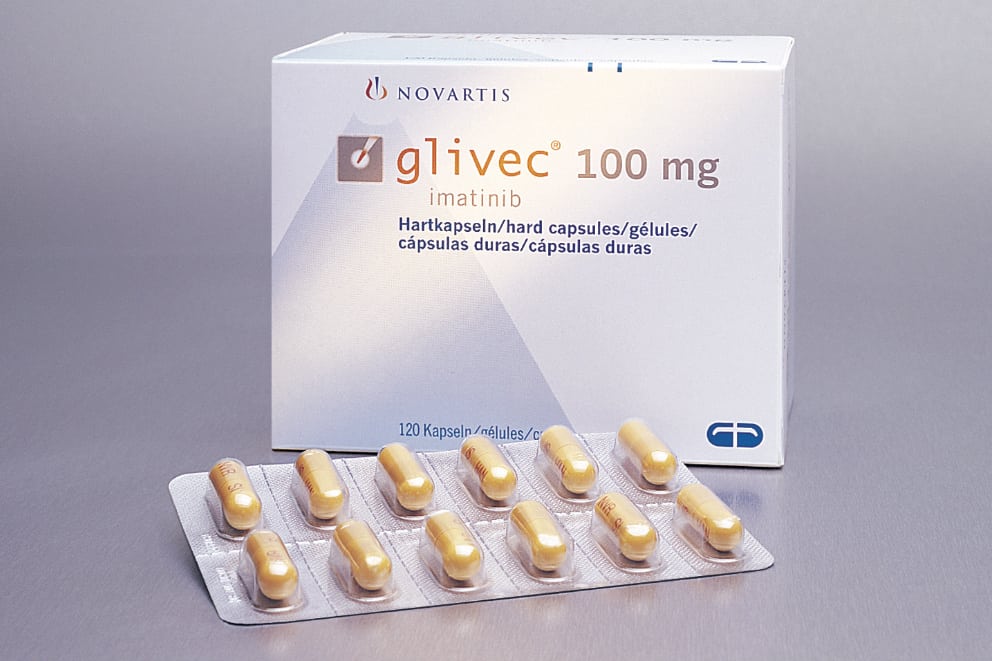
NICE U-turn on cancer drug despite price increase
pharmafile | June 27, 2014 | News story | Sales and Marketing | Cancer, Glivec, NHS, Novartis, gists
UK pricing watchdog NICE has performed a U-turn on Glivec (imatinib) by issuing new draft guidance recommending the drug, despite a cost increase.
In previous guidance issued in 2010 it rejected Gilvec as an adjuvant treatment for those at high risk of developing gastro-intestinal tumours (GISTS) amid concerns of cost-effectiveness.
At the time NICE said it was concerned over a lack of “evidence about key aspects of clinical effectiveness”, including whether the treatment extended life expectancy and how long it should be used for.
It has now revised its original guidance following new data and has recommended the drug as treatment for up to three years for adults who are at high risk of relapse after surgery.
Professor Carole Longson, health technology evaluation centre director at NICE says she is ‘pleased’ to be able to propose recommending the drug as “there is now clear evidence that giving imatinib after surgery can delay the recurrence of GISTs and in some cases increases survival”.
This change in guidance comes even though the price of Gilvec has risen from £19,500 per patient per year (400mg) when it was first considered, to £20,700 per year. It has been a surprise blockbuster for the Swiss firm making sales of $4.72 billion for 2012.
The drug which is primarily used in the treatment of chronic myeloid leukaemia (CML) has been at the centre of controversy over the high cost of cancer drugs, being named as a particular culprit in an article published in the journal Blood last year.
Gilvec has previously been the primary treatment recommended by NICE for inoperable tumours, but new trial data demonstrates considerable success in patients post-surgery also. The study shows that a one-year treatment increased recurrence-free survival when compared to placebo, and a three-year treatment was even more effective, showing significantly longer survival rates.
GISTS are found in the digestive system, most commonly the stomach. Most of the tumours are benign and cause few symptoms but can become cancerous. They are particularly hard to treat with chemotherapy or radiotherapy.
Gilvec is an oral tyrosine inhibitor that works by blocking signals within cancer cells preventing a series of chemical reactions that cause the cell to grow and divide. Because the BCR-Abl tyrosine kinase enzyme exists only in cancer cells it works as a form of targeted therapy.
It will be available as a treatment in doses of 100mg (60-tab pack) and 400mg (30-tab pack). NICE has not changed its recommendation on treatment with higher doses of the drug on grounds of cost-effectiveness. The draft guidance is out now for consultation.
Emily MacKenzie
Related Content

Scotland starts newborn screening for SMA
As part of a two-year evaluation funded by the Scottish government and Novartis, Scotland will …
Under-Secretary of State for Health Innovation and Safety visits new building on University of Huddersfield’s NHIC
Dr Zubir Ahmed MP, the Under-Secretary of State for Health Innovation and Safety, has visited …

Digital mental health technologies – a valuable tool in supporting people with depression and anxiety
The potential benefits of digital mental health technology for managing depression, anxiety and stress, together …