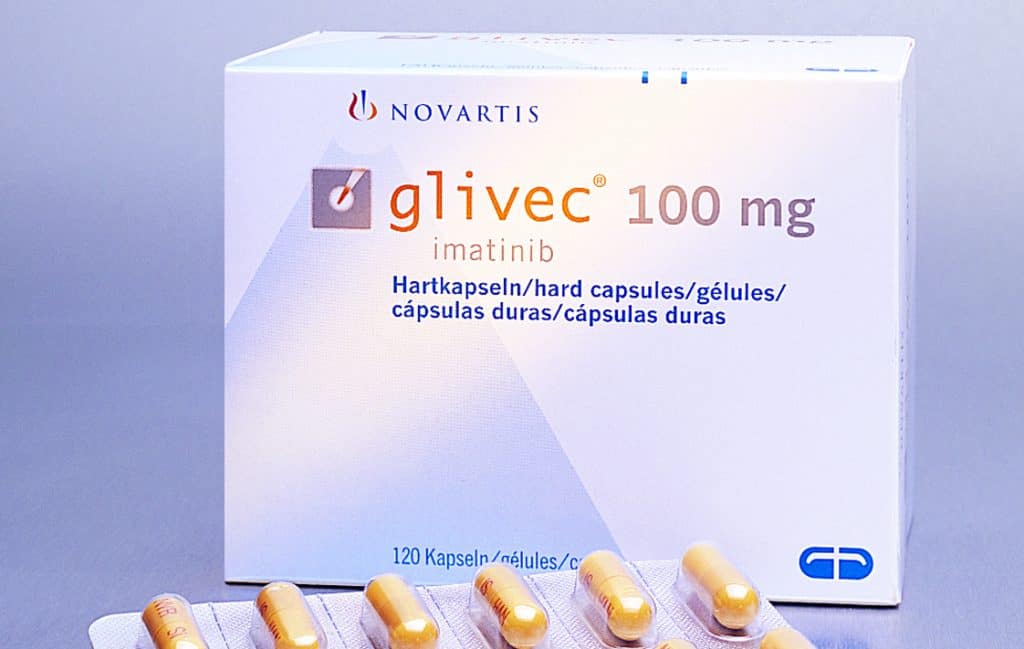
NICE seeks compromise over Glivec approval
pharmafile | March 24, 2010 | News story | Sales and Marketing | Glivec, NICE, Novartis
NICE says it is unlikely to approve the use of Glivec against gastrointestinal stromal tumours (GISTs) after surgery, but is looking to identify a sub-group of patients in whom it can justify its use.
The cost effectiveness body is ‘minded not to recommend’ Glivec for the adjuvant (post surgery) treatment of adult patients with KIT (CD-117)-positive Gastrointestinal Stromal Tumours (GISTs), who are at significant risk of disease recurrence.
It has asked manufacturer Novartis to present further analyses which evaluate its use in patients at high, moderate and significant risk of recurrence. If this can be achieved, this could in theory result in NICE recommending the drug for higher risk patients only.
Novartis Oncology says it is working to provide this additional information and is hopeful that the review of such data will lead to a positive final decision.
Glivec is already licensed to treat people with metastatic and/or inoperable GIST, and NICE approved this use in 2004.
The main obstacle for NICE to expand its recommendation is likely to be the high cost of providing Glivec for a year to patients after surgery, which would be around £19,000 per patient.
Glivec (imatinib) is currently the only licensed treatment approved as a post-surgery (adjuvant) therapy to delay the return of the highly aggressive cancer GIST.
“We are hopeful that provision of new analyses on imatinib for post-surgery use in GIST, which specifically address the points NICE has raised will lead to a positive decision,” said Panos Alexakos, Oncology Business Unit Head for Novartis UK.
“Imatinib is the only medicine approved to reduce the risk of relapse in GIST and we are determined to work with NICE to provide the information needed to ensure GIST patients at risk of relapse after surgery continue to have access to it.”
GISTs are a soft tissue sarcoma which develop primarily along the gastrointestinal tract and often spread within the abdomen. Approximately 900 people in the UK are diagnosed with GIST each year and approximately 86% of those diagnosed will undergo surgery to remove the tumours.
If left untreated after surgery, approximately 50% of patients suffer a relapse. Novartis points out that tumours which recur as metastases after surgery are often more difficult to treat than the initial tumours. It says that in patients considered to be ‘high risk’ the rate of disease free survival is less than half that of those at moderate risk after five years.
Novartis’ trial data in the adjuvant setting found that 98% of patients (ranging from high to low risk of recurrence) receiving 400mg imatinib once-daily for a year after surgery to remove their GIST, did not experience disease recurrence after 12 months, compared to 83% of patients taking placebo. In this study, adjuvant imatinib was generally well tolerated, the adverse event rate was low and consistent with use in metastatic GIST.
Related Content

Digital mental health technologies – a valuable tool in supporting people with depression and anxiety
The potential benefits of digital mental health technology for managing depression, anxiety and stress, together …

Novartis receives SMC approval for early breast cancer treatment
Novartis has announced that its treatment for early breast cancer, Kisqali (ribociclib), has received approval …

Combination treatments: Takeda’s Implementation Framework and the broader landscape
Pharmafile talks to Emma Roffe, Oncology Country Head (UK & Ireland) about the combination treatment …