NICE to be sidelined on cost effectiveness – once again
pharmafile | May 17, 2012 | News story | Sales and Marketing | NICE, VBP
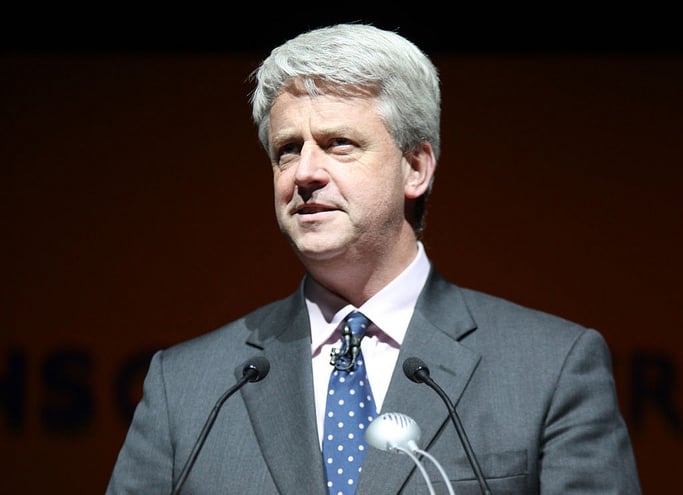
Health secretary Andrew Lansley has confirmed that NICE will no longer direct the NHS on the cost effectiveness of drugs.
His remarks made at the NICE conference in Birmingham yesterday come as a surprise, as many understood that NICE’s power to direct NHS prescribing would be retained.
Speaking at the NICE conference, Lansley said NICE’s cost effectiveness role would be replaced by the new Value-Based Pricing (VBP) system on 1 January 2014.
NICE will still examine the cost effectiveness of drugs, but would “no longer be obliged to make a yes/no decision”.
The remarks bring the government back full circle to its original stated aim of downgrading NICE, which it first made clear in October 2010 – and leaves most stakeholders baffled.
Debating the proposed VBP system during the previous day of the conference, NICE leaders had indicated their willingness to play a more explicit role in pricing.
NICE chairman Professor Sir Michael Rawlins and head of appraisals Carole Longson, made it clear they believed their interaction with industry on Patient Access Schemes – effectively discounts to the list price – could evolve into VBP.
Instead, if Lansley’s wishes prevail, NICE will no longer recommend or not recommend drugs, and lose most of its current authority.
The decision is a U-turn on a U-turn, which the government made in June 2011, after its original decision attracted widespread criticism.
The government said patients will keep “the right to drugs and treatment recommended by NICE, which we will retain after the introduction of Value-Based Pricing for new drugs from January 2014”.
But the health secretary has now returned to his original thinking, to create an entirely new approach to assessing the value and then in turn, the price of medicines.
Details remain sketchy, but drugs for the most severe conditions – having a high ‘burden of disease’ or for which there is an unmet medical need could attract higher prices.
Drugs which can demonstrate ‘wider societal benefits’ – allowing people to return to work, or leave social care, for example, would also do better under the new system, in theory.
But many in the pharmaceutical industry and in the NHS are sceptical that the new system will be an improvement on the existing one – and indeed many fear it could be worse.
Some health service managers fear the system could drive up prices, while on the other side, the pharma industry believe it could force prices down, or delay the launch of drugs through protracted price negotiations.
The Department of Health says talks between it, the pharma industry and others are due to begin in the ‘second half of 2012’, negotiations which are likely to see strenuous campaigning by pharma to retain many of the existing arrangements as possible.
This may well include NICE and its decision-making powers, which pharma sources say they prefer as ‘better the devil you know’ compared to the experimental aspects of VBP.
Ben Adams
Related Content

Digital mental health technologies – a valuable tool in supporting people with depression and anxiety
The potential benefits of digital mental health technology for managing depression, anxiety and stress, together …

Combination treatments: Takeda’s Implementation Framework and the broader landscape
Pharmafile talks to Emma Roffe, Oncology Country Head (UK & Ireland) about the combination treatment …
NICE recommends Pfizer’s new once-weekly treatment for haemophilia B on NHS
Walton Oaks, 21st May 2025 – Pfizer Ltd announced today that the National Institute for Health and Care …