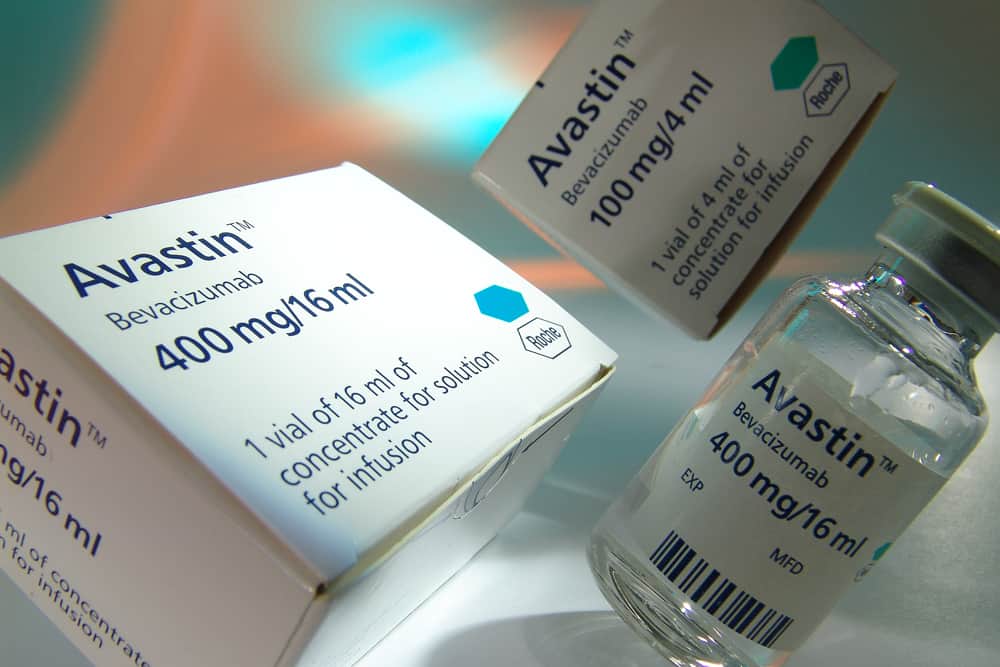
NICE stands firm on Avastin rejection
pharmafile | November 12, 2010 | News story | Sales and Marketing | NICE, Roche, avastin, bevacizumab, colon cancer, metastatic colorectal cancer, patient access scheme
NICE has refused to recommend Roche’s blockbuster cancer drug Avastin for the treatment of metastatic colorectal cancer in its final draft guidance.
The review was looking at Avastin (bevacizumab), in combination with chemotherapy agents oxaliplatin and either 5-fluorouracil or capecitabine in metastatic colorectal cancer (mCRC).
In response to the latest draft guidance NICE chief executive Sir Andrew Dillon, said: “Bevacizumab is a very expensive drug and so patients and NHS should expect substantial benefits from using it.
“The evidence we have suggests that patients receiving bevacizumab and chemotherapy for this indication may survive on average for six weeks longer than patients receiving chemotherapy and placebo. This means half of those patients who receive any benefit, will receive less than six extra weeks of life.”
NICE has held two consultations on its initial draft decision on Avastin for metastatic colorectal cancer, and invited Roche and other stakeholders to submit further information in support of the drug for this indication.
“Unfortunately,” Dillon said, “No new information or opinion submitted during either consultation has provided evidence to enable the committee to recommend the drug; therefore they have not been able to change the original recommendation.”
Avastin’s patient access scheme
This draft guidance comes despite Roche submitting an amended patient access scheme (PAS) to NICE during an earlier round of deliberations.
In the original scheme, Avastin would have been supplied at a fixed cost of approximately £20,800 per patient for one year, and would be free after 12 months of treatment with the cost of chemotherapy agent oxaliplatin set to be reimbursed.
The new PAS included all these elements plus an additional upfront payment to the NHS for each person starting first line treatment with Avastin, but the committee deemed this scheme too complex to accurately assess its cost-effectiveness.
Dillon continued: “The very complex PAS proposed by Roche did not reduce the cost-effectiveness estimates by anywhere near as much as the manufacturer suggests.
“Using the price that the NHS actually pays for oxaliplatin, the cost per QALY would actually be around £70,000 and not £25 – £30,000, as suggested by Roche.”
Dillon reiterated that NICE has already recommended several treatments for various stages of colorectal cancer, including BMS/Merck Serono’s Erbitux for the first-line treatment of the disease.
Dr Mark Saunders, consultant clinical oncologist at Christie Hospital in Manchester, who is a board member for Beating Bowel Cancer spoke to Pharmafocus about the difference between the two drugs.
He said Avastin targets the VEGFR genetic mutation, which affects around 6,000 mCRC patients whereas Erbitux targets the KRAS gene that is present in around 400 patients in the UK.
“Therefore,” Saunders said, “Many more patients will miss out from treatment if Avastin is not recommended and saying that Erbitux has already been approved does not add to the debate.”
Avastin was first approved by the EMA in 2005 but was rejected by the UK drugs watchdog in 2007 as a first line treatment for mCRC, citing high cost as the primary reason for its negative response.
Avastin is currently indicated to treat a host of cancers, including: lung, brain, breast, colorectal and kidney and made Roche over $5 billion in sales last year.
Ben Adams
Related Content

Digital mental health technologies – a valuable tool in supporting people with depression and anxiety
The potential benefits of digital mental health technology for managing depression, anxiety and stress, together …

Combination treatments: Takeda’s Implementation Framework and the broader landscape
Pharmafile talks to Emma Roffe, Oncology Country Head (UK & Ireland) about the combination treatment …

Roche receives CE Mark for blood test to help rule out Alzheimer’s
Roche has been granted CE Mark approval for its Elecsys pTau181 test, the first in …