Nestlé to pioneer ‘health science nutrition’
pharmafile | September 29, 2010 | News story | Sales and Marketing | Alzheimer's, health science nutrition, nestle
Nestlé is to take on conditions such as diabetes, obesity, cardiovascular disease and Alzheimer’s with the creation of two research subsidiaries.
Nestlé Health Science and the Nestlé Institute of Health Sciences will look into what the company calls ‘personalised health science nutrition’ in a bid to find new commercial opportunities in the now overlapping fields of pharma and food technology.
The Swiss food, drink and nutrition giant says it will research ways of preventing and treating conditions “which are placing an unsustainable burden on the world’s healthcare systems”
“The combination of health economics, changing demographics and advances in health science show that our existing healthcare systems, which focus on treating sick people, are not sustainable and need redesigning,” says Nestlé chairman Peter Brabeck-Letmathe.
He said the company would be a “pioneer in helping to shape the space between the food and pharma industry”.
Nestlé Health Science will become operational on 1 January 2011, and will be run at arm’s length from Nestlé’s main activities.
Folded into it will be the existing global Nestlé HealthCare Nutrition business, which turned over CHF 1.6 billion last year, and it will also have access to venture capital funds.
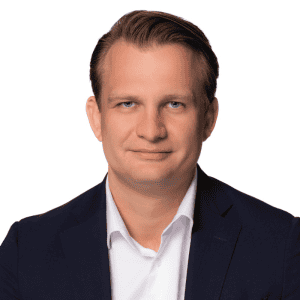
The new body’s president Luis Cantarell will report to Nestlé chief executive Paul Bulcke.
Meanwhile the wholly-owned Nestlé Institute of Health Sciences will in effect be part of Nestlé’s global R&D network, carrying out research in biomedical science to find nutritional strategies to improve health and longevity.
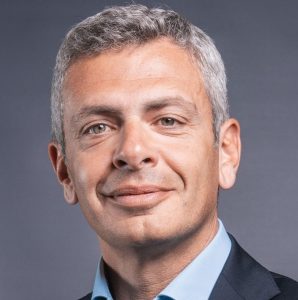
Run by Emmanuel E. Baetge, former chief scientific officer of San Diego-based biotech ViaCyte, the institute will receive hundreds of millions of Swiss francs from Nestlé over the next decade.
Baetge reports to Nestlé chief technology officer Werner Bauer Nestlé and will be based in the Swiss Federal Institute of Technology (EPFL) in Lausanne.
“Nestlé has the expertise, the science, the resources and the organisation to play a major role in seeking alternative solutions,” says Brabeck-Letmathe.
Nestlé has been active recently on the corporate stage: in August it finalised the sale of its ophthalmology subsidiary Alcon to Novartis with the latter paying $38.7 billion for Nestlé’s 77% stake in the company – despite a protest by some of Alcon’s directors.
Related Content

Lilly’s drug for early Alzheimer’s shows promising results
Eli Lilly (Lilly) has announced positive new data from the long-term extension of its phase …

Eli Lilly’s Kisunla approved by FDA for Alzheimer’s treatment
Eli Lilly has announced that the US Food and Drug Administration (FDA) has approved Kisunla …
FDA accepts Eisai’s Leqembi sBLA for early AD treatment
Eisai and Biogen have announced that the US Food and Drug Administration (FDA) has accepted …