Needle-free device shows potential in diabetes
pharmafile | January 23, 2015 | News story | Medical Communications, Sales and Marketing | Cygnus, University of California, diabetes, tattoo
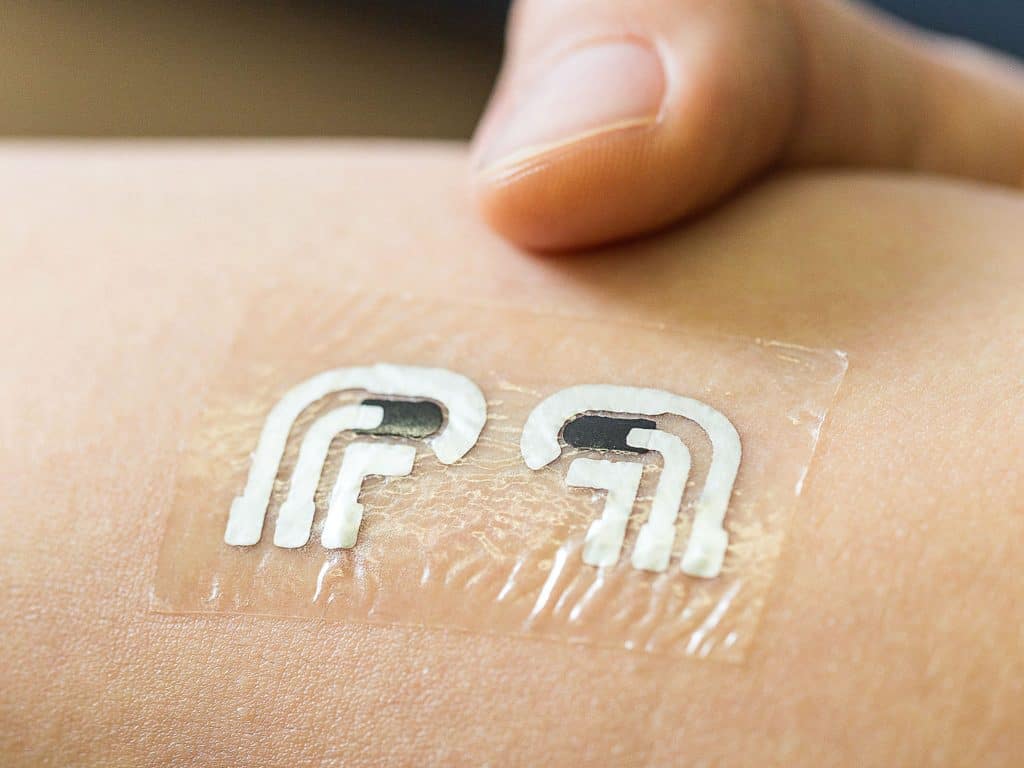
A ‘tattoo-like’ ultra-thin sensor that sits on the skin has been developed that could help patients monitor their blood glucose levels.
The flexible patch was developed by scientists at the University of California, and can be used without puncturing the skin by extracting and measuring sugar levels in the fluid between skin cells.
Electrodes apply a very mild electrical current for 10 minutes drawing in the sodium ions in a patient’s body fluid to migrate towards conductors. The sensor in the patch then measures the strength of the electrical charge produced by the glucose to determine a person’s blood sugar levels.
A similar gadget was launched in 2002 by Cygnus, but was discontinued because it irritated the skin and caused other problems. According to researchers this new ‘tattoo-like’ device avoids this irritation by using a lower electrical current.
“Monitoring glucose in a non-invasive fashion is certainly one of the most important fields in the area of wearable health sensors,” comments Amay Bandodkar, who is one of the developers of the device at the university.
The patch was trialled on seven men and women aged between 20 and 40, none of whom had any history of diabetes. During the 10 minute application process only a few volunteers reported a mild tingling sensation.
Currently the device does not offer the kind of numerical information that patients would need to monitor their own blood glucose levels. Researchers are on the other hand developing such a readout tool now.
“The readout instrument will also eventually have Bluetooth capabilities to send this information directly to the patient’s doctor in real-time, or store data in the cloud,” continues Bandodkar.
The researchers are also working on ways to make the gadget last longer, as at the moment it only lasts for about a day. “These are extremely inexpensive and can be replaced without much financial burden on the patient,” adds Bandokar.
The charity Diabetes UK estimates that around 850,000 people in England have the blood condition but haven’t yet been diagnosed. About 80,000 children alone are diagnosed with Type 1 diabetes around the world every year, according to the American Diabetes Association.
Tom Robinson
Related Content

MetP Pharma releases positive data on intranasal semaglutide administration
MetP Pharma has released new data highlighting the advantages of its MetP technology in delivering …

AOTI diabetic foot care therapy to be used by NHS
Effective from September 2025, AOTI’s Topical Wound Oxygen (TWO2) therapy has been awarded inclusion in …

Recce Pharmaceuticals reports positive phase 2 data for skin infection drug
Recce Pharmaceuticals have announced positive patient data from its phase 2 clinical trial into RECCE …