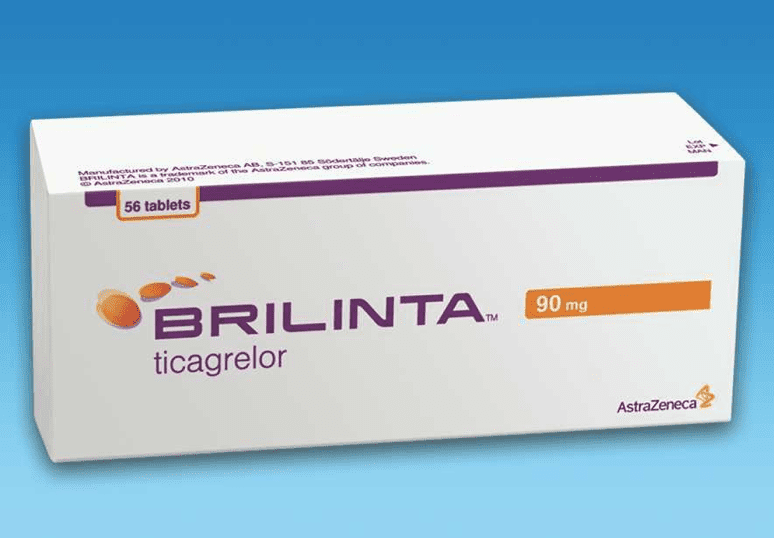
Mixed results for AstraZeneca in high-profile Brilinta study
pharmafile | March 17, 2015 | News story | Sales and Marketing | American College of Cardiology, AstraZeneca, Brilinta, EMA, FDA, ticagrelor
Experts say AstraZeneca is at risk of ‘diminishing returns’ in the clinical advantages of its blood-thinning drug Brilinta, after it showed mixed results in a post heart attack trial.
A large outcomes study found taking Brilinta (ticagrelor) after a heart attack reduced the risk of having more heart problems, but also increased the risk of major bleeding.
The PEGASUS-TIMI 54 trial comprised 21,000 people who had had a heart attack in the previous three years. They received either Brilinta at a high or low dose, or a placebo, in addition to aspirin for that duration.
Brilinta with aspirin reduced the risk of dying from heart problems, a repeat heart attack or a stroke by 15-16% compared to placebo. But about twice as many people who took Brilinta had major bleeding compared to the placebo group.
The rate of major bleeding was 2.6% with high dose Brilinta, 2.3% with the low dose, and 1.1% with placebo. More people in the Brilinta group dropped out of the study due to side effects, including shortness of breath.
The results were presented at the American College of Cardiology annual conference in San Diego and published in the New England Journal of Medicine. In an accompanying editorial, Dr John Kearney, professor of medicine at the University of Massachusetts medical school, says the Brilinta results “remind us of the fragile balance between efficacy and adverse events”.
“Either dose was associated with a 15% decrease in the rate of the primary end point of death from cardiovascular causes, myocardial infarction, or stroke. However, ticagrelor treatment also increased clinically significant bleeding complications by a factor of 2.3 to 2.7. These data prompt speculation as to whether dual platelet inhibition with high-potency agents is approaching the point of diminishing returns.”
Elisabeth Björk, vice president and head of cardiovascular and metabolic diseases and global medicines development at AstraZeneca, stood by the results of the trial of the troubled drug, saying: “As a company we are committed to furthering cardiovascular research and are proud to have delivered the PEGASUS-TIMI 54 study.
“It adds to the body of evidence for ticagrelor and is the first prospective trial to evaluate longer term dual antiplatelet therapy in higher risk patients with a history of a heart attack.
“We have just submitted regulatory filings to the European Medicines Agency and the US Food and Drug Administration and we look forward to working with these agencies towards a potential new indication in major markets.”
Lilian Anekwe
Related Content

MRM Health’s ulcerative colitis treatment receives FDA Investigational New Drug clearance
Microbial Resource Management (MRM) Health has announced that its lead programme, MH002, has received Investigational …

Complement Therapeutics’ geographic atrophy treatment receives FDA Fast Track designation
Complement Therapeutics has announced that CTx001, its gene therapy treatment for geographic atrophy (GA) secondary …

Johnson & Johnson submits robotic surgical system for De Novo classification
Johnson & Johnson has announced the submission of its Ottava Robotic Surgical System for De …