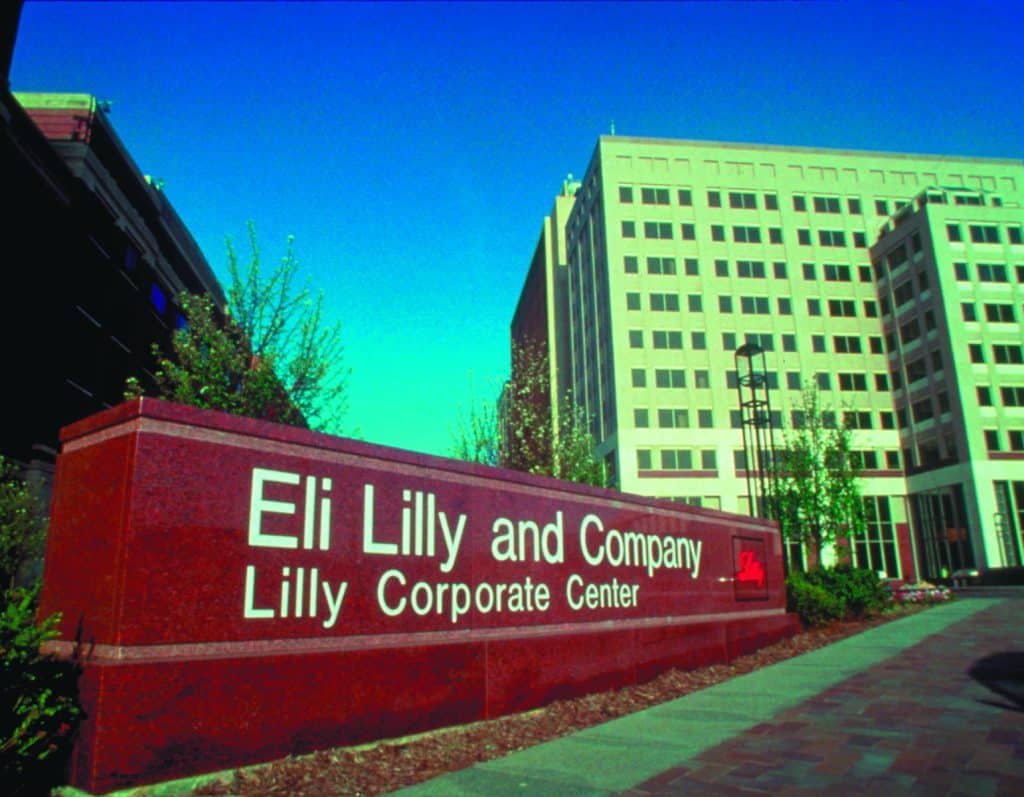
Lilly prepares late-stage pipeline boost
pharmafile | July 1, 2011 | News story | Research and Development, Sales and Marketing | autoimmune diseases, diabetes, lilly, neuroscience, oncology
Eli Lilly has highlighted diabetes, oncology, autoimmune diseases and neuroscience as key therapy areas within its growth strategy.
Within these areas the company expects to have at least ten potential new medicines in phase III by the end of the year, it told a meeting of investors.
“Our future relies upon our ability to successfully discover and develop innovative medicines that address unmet patient needs,” said chief executive John Lechleiter.
“The need is great, the scientific knowledge base is expanding exponentially, and the research and development tools continue to improve,” he went on, saying that the pharma industry faces numerous issues.
“Despite these challenges, global demographic and economic trends make a compelling case for innovative medicines,” Lechleiter added, continuing a theme he took up earlier this year at The Economist pharma conference in London.
The manufacturer insists the $7 billion per year hit it will take between now and 2014 from patent losses on Zyprexa, Cymbalta, Evista, and Gemzar, will be significantly offset by activity in areas including Japan and emerging markets.
Diabetes will be vital for Lilly, with a portfolio including brands such as DPP-4 inhibitor Trajenta, which has already launched in the US (where it is known as Tradjenta) and has a positive opinion from European regulators.
Lilly’s Bydureon also recently received EU authorisation, making it the first once-weekly treatment approved for type II diabetes, with launches in the UK and Germany expected this year.
“Lilly has moved quickly to transform and reenergise our innovation engine, deliver a new wave of potential new medicines, bridge our patent expiration period and ignite a new period of growth,” Lechleiter concluded.
Jan Lundberg, president of Lilly Research Laboratories, said Lilly has 70 potential new medicines in its pipeline, 33 of which are in phases II and III – compared to seven in 2005 – with launches planned to 2017.
“Over the past decade, Lilly has more than tripled the number of molecules entering the clinic from five per year to more than 16 per year,” Lundberg told investors.
“The size, the quality, and the progression of our pipeline reflect a systematic effort to increase the efficiency and effectiveness of our R&D in a way that will produce the only results that matter,” he added.
The company has also launched an interactive pipeline website, giving details of the molecules it has in clinical development.
Meanwhile, chief financial officer Derica Rice said Lilly was on track to cut $1 billion of costs and reduce headcount worldwide by 5,500 by the end of 2011.
“We’ve created the capacity to absorb the patent losses, re-base the company, fund the maturing pipeline, recapitalise our physical asset base and maintain our dividend at least at its current level,” Rice said.
Annual revenues over the next three years are expected to be around $20 billion, down from $23 billion last year.
The company then anticipates a return to growth after 2014 as new product launches start to make an impact.
Adam Hill
Related Content

BMS’ Opdivo/Yervoy combination accepted by Scottish Medicines Consortium for colorectal cancer
Bristol Myers Squibb (BMS) has announced that its Opdivo (nivolumab) has been accepted, in combination …

Astellas Pharma’s Vyloy accepted by Scottish Medicines Consortium for gastric cancer
Astellas Pharma, a pharmaceutical company creating medicines to address unmet medical needs, has announced that …

Rethinking oncology trial endpoints with generalised pairwise comparisons
For decades, oncology trials have been anchored to a familiar set of endpoints. Overall survival …