Immune system influences immunotherapy effectiveness, research shows
pharmafile | April 3, 2017 | News story | Research and Development, Sales and Marketing | immunotherapy, nivolumab, opdivo
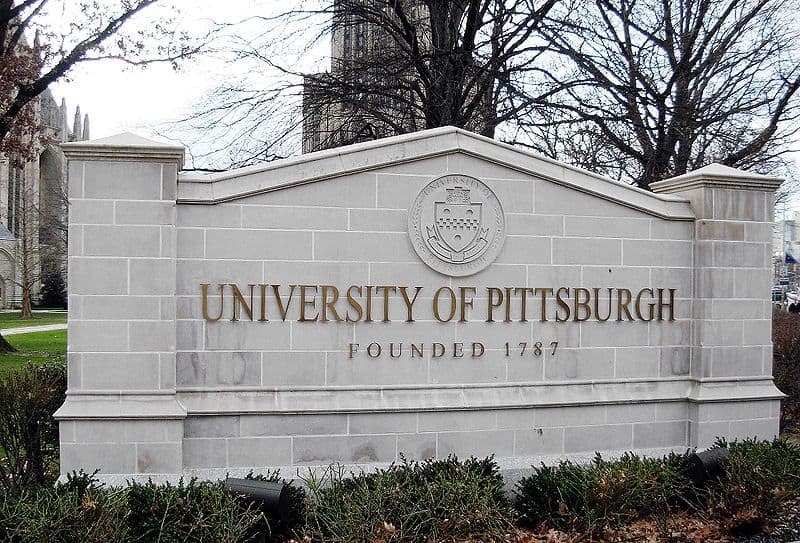
Preliminary research conducted at the University of Pittsburgh Cancer Institute (UPCI) has discovered a link between levels of certain immune cells in the body and the effectiveness of immunotherapy in patients.
The findings are based on results from the Checkmate 141 Phase 3 trial where Opdivo (nivolumab) proved itself to significant improve survival rates with fewer side effects in recurrent head and neck cancer patients. Despite the drug’s overall efficacy, it proved less effective in some patients than others.
The team at UPCI discovered that patients with higher levels of tumour-associated immune cells (TAICs) expressing protein PD-L1 tended to respond more strongly to nivolumab and recorded greater survival. TAICs are believed to be a driving factor behind tumour growth. Those with higher levels of CD8, or cytotoxic T cells, and lower levels of regulatory T cells, also displayed a stronger response to the drug, as measured using blood samples taken before the trial.
Dr Robert Ferris, Chief of the Division of Head and Neck Surgery, and co-leader of the Cancer Immunology Program at UPCI, explained: “Our study shows that immune cells in the microenvironment around the tumour could play a critical role in how patients respond to immunotherapy. By determining the nature of these cells and how they are affected by treatments, we may be able to significantly improve the effectiveness of current therapies and help a greater number of patients.”
Matt Fellows
Related Content

CuraCell granted approval for trial of new therapy for metastatic cancers
Swedish immunotherapy company, CuraCell, has received approval from the Paul-Ehrlich-Institut in Germany to begin a …

Central nervous system cancer metastases – the evolution of diagnostics and treatment
The current forms of immunotherapy, how T cell therapy works and what the future holds
T-cell therapy – the evolution of cancer treatments
The current forms of immunotherapy, how T cell therapy works and what the future holds