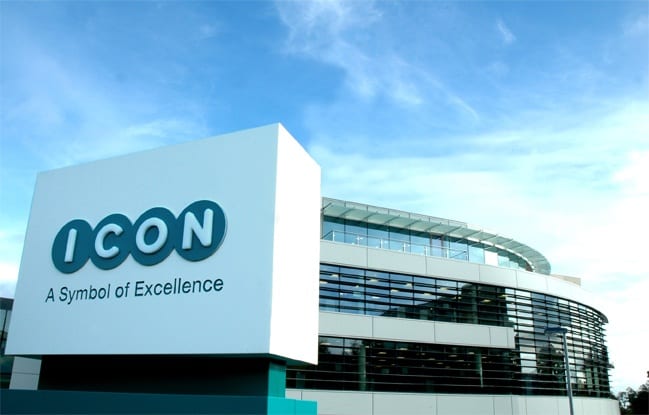
ICON investments will come to fruition in 2010
pharmafile | December 16, 2009 | News story | Research and Development | ICON, Manchester, translational
Irish contract research organisation ICON has provided additional details on its new translational medicine unit in Manchester, UK, first announced in June of this year.
The 35,000 sq. ft. unit, scheduled to open in April 2010, is part of a refit of a 100,000 sq. ft. unit at Manchester Royal Infirmary and is designed to operate as an integral part of the hospital.
Translational medical research – often referred to as ‘bench to bedside’ research – tries to tie together basic research and clinical patient care, and CROs are increasingly opening study sites within hospitals to make this process more efficient.
Effectively the approach means that more early-stage phase I studies are carried out in patients as well as healthy volunteers, and there is greater emphasis on the use of biomarkers and other diagnostics to monitor the effect of a candidate therapy.
“In spanning the space between basic science and clinical development we will be able to ensure that no molecule gets lost in the translational gap,” said Cyril Clarke, vice president of translational medicine at ICON.
“We see the pharma outsourcing model rapidly moving towards this type of facility,” he told Pharmafocus.
Another CRO going down this route is Quintiles, which is in the process of setting up a 30-bed, hospital-based unit at Guy’s Hospital in London that is also due to start operations in 2010.
ICON’s unit will house 34 beds, an on-site GMP pharmacy, a sample-handling laboratory, multiple meeting and admissions rooms and has access to the Accident and Emergency department at the Manchester Royal Infirmary. The new development comes on the back of the CRO’s investment in new bioanalytical and biomarker laboratory capabilities in Manchester last year.
There have been suggestions that in the wake of the Northwick Park incident in the UK in 2006 – which left six men fighting for their lives after suffering serious adverse reactions in a phase I trial -close proximity to a hospital’s facilities can make a location more attractive to trial sponsors and patients.
“[Sponsors] are increasingly looking to run their first-in-human studies in hospital environments,” said ICON’s vice president and general manager, Andrew Copestake.
The development complements ICON’s investment in new bioanalytical and biomarker laboratory capabilities in Manchester in 2008.
“ICON is committed to active collaboration with the Central Manchester University NHS Trust to forward the research interests of both parties,” said Copestake.
“We believe this level of collaboration is unique and will allow ICON access to patients via the hospital consultants but also some of the UK’s finest translational medicine research professionals.”
Central lab expansion
Meanwhile, ICON has also announced that its expanded European Central Laboratory, based in Dublin, will be operational in early 2010. The 41,000 sq. ft facility is three times the size of its predecessor and will provide centralised testing and site support services to clinical investigators in Europe, the Middle East and Africa.
Among the features of the new facility are a greater degree of laboratory automation, and a quadrupling in sample management and storage capacity. It also expands the unit’s capabilities in anatomic pathology, molecular diagnostics and multiplex assays, said ICON.
Related Content
NHS ConfedExpo 2025: a platform for change in UK health and care
This year’s NHS ConfedExpo took place on 11 to 12 June at Manchester Central, bringing …

Manchester emerges as genomics research hub
Manchester, UK is emerging as a major hub for genomics research, according to a new …

Cloud on the horizon: Cloud computing and the clinical trial
Originally published in the September edition of Pharmafocus, Matt Fellows investigates how cloud computing may …