GSK sells off non-core assets
pharmafile | January 6, 2014 | News story | Sales and Marketing | GSK, Suntory, aspen, lucozade, ribena
GlaxoSmithKline has completed the offloading of several of its non-core assets in moves which stand to net the pharma manufacturer more than two billion pounds.
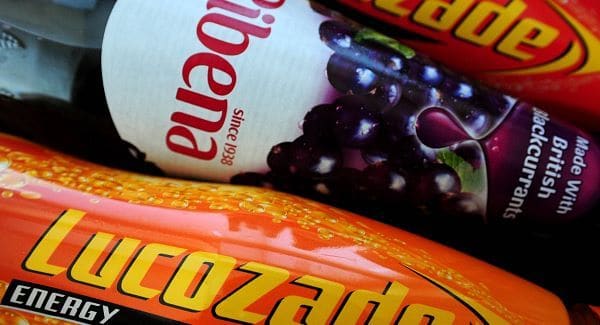
It has sold the global rights to its famous drinks brands Lucozade and Ribena to Japanese giant Suntory Beverage & Food, and a couple of thrombosis treatments, Arixtra and Fraxiparine, to Aspen Group.
GSK is to receive £1.35 billion from Tokyo-based Suntory, while the deal with Aspen – which is Africa’s biggest drugmaker – will bring in £700 million.
The soft drinks that Suntory is forking out so much for have combined sales of around £0.5 billion. GSK’s Coleford manufacturing site, in the UK’s Forest of Dean, is also part of the package with the ‘vast majority’ of staff transferring to the Japanese firm.
Meanwhile most commercial operations were formally transferred to Aspen on 1 January although the companies still have some business to do: GSK’s manufacturing site at Notre-Dame de Bondeville in France, which makes the thrombosis products, will not change hands until the middle of the year.
Aspen will have control of Factor Xa inhibitor Arixtra (fondaparinux sodium) and low molecular weight heparin (LMWH) Fraxiparine (nadroparin) in most world markets except China, India and Pakistan.
The companies’ relationship dates back to 2009 when the pair entered two commercial collaborations in sub-Saharan Africa.
In October last year GSK raised £425 million with the sale of 28.2 million Aspen shares, leaving it with a stake of 12.4% in the company and a seat on the board, giving it some leverage over how Aspen conducts its business in future.
GSK said it was going to use the multimillion-pound windfall ‘for general corporate purposes’.
Aspen itself has been growing fast on the back of international acquisitions, and in 2013 spent $1 billion on a Merck Sharpe & Dohme facility in Oss, the Netherlands, along with a portfolio of 11 branded finished dosage form drugs.
It also bought GSK’s Australian generics unit in 2012 for $270 million, as well as Australian group Sigma’s pharma business in 2009 for around $800 million, to give a major lift to its presence in Asia.
Adam Hill
Related Content

GSK’s Exdensur receives MHRA approval for asthma and rhinosinusitis
GSK’s Exdensur (depemokimab), a twice-yearly biological medicine, has received approval from the UK Medicines and …

Multiple myeloma treatment approved in Japan
GSK’s Blenrep (belantamab mafodotin) combinations have been approved by Japan’s Ministry of Health, Labour and …

US FDA expands Jemperli (dostarlimab-gxly) plus chemotherapy approval to all adult patients with primary advanced or recurrent endometrial cancer as the first and only immuno-oncology-based treatment to show an overall survival benefit
PHILADELPHIA–GSK plc today announced the US Food and Drug Administration (FDA) has approved Jemperli (dostarlimab-gxly) in combination …