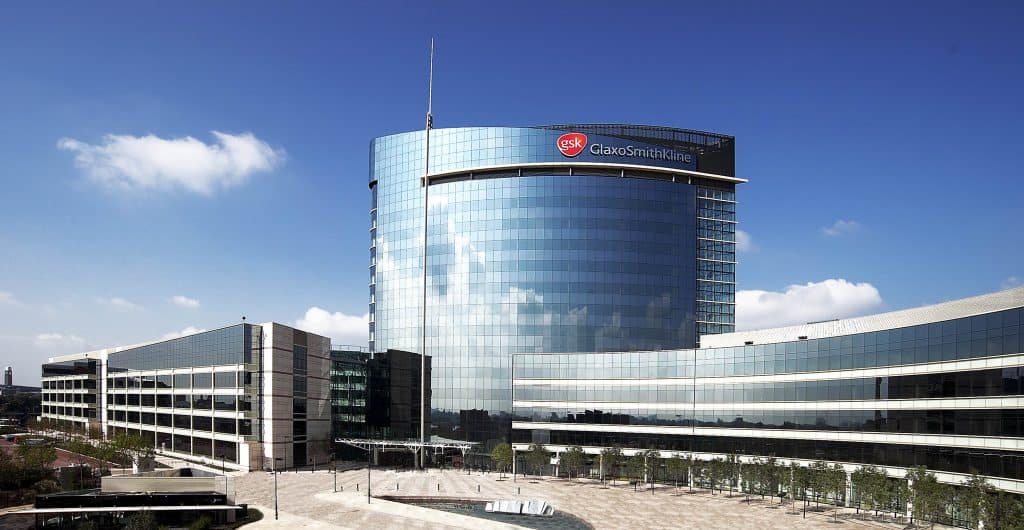
GSK partners with Cambridge University
pharmafile | June 18, 2012 | News story | Research and Development, Sales and Marketing | ABPI, Cambridge, GSK, R&D
The University of Cambridge begins a new collaboration with GlaxoSmithKline today to advance drug discovery and the development of new medicines.
The collaboration will see researchers from both sides working together at the Stevenage Bioscience Catalyst, the UK’s first open innovation bioscience campus, co-located with GSK’s R&D centre.
This bioscience park provides an independent scientific community allowing scientists to foster relationships across organisations and share their expertise and knowledge.
Small teams of Cambridge scientists will bring their medical and biological research to this open innovation environment.
They have already committed to working alongside GSK drug development experts who will provide access to their drug discovery and development expertise, the University said in a statement.
Cambridge Enterprise, the University’s commercialisation arm, will facilitate the programme.
“A key element of the open innovation environment fostered through the bioscience park is enabling scientific exchange to flourish without the need for exclusive research collaboration agreements between partners, including GSK,” the University said.
The open innovation model allows Cambridge scientists to freely interact with other pharmaceutical biotech, contract research organisations, SBC tenants and academic institutions.
Professor Sir Leszek Borysiewicz, vice-chancellor of the University of Cambridge said: “This is a highly innovative way to develop publicly funded scientific research to create new medicines to treat disease, bringing together partners with shared goals and capitalising on what each does best.
“Cambridge is constantly searching for new and more effective ways to get its research out into the world where it can make a difference; working with our many partners, including companies such as GSK.”
Patrick Vallance, president of pharmaceuticals R&D at GlaxoSmithKline, said: “This open innovation approach is enabling scientists who might not ordinarily have interacted to build relationships, share ideas and seek advice.
“This environment provides us with an opportunity to stimulate research and translate science into the discovery of new medicines for patients.
“The bioscience park’s co-location with our R&D centre gives us a unique opportunity to work alongside the University of Cambridge to strengthen the UK’s bioscience ecosystem.”
The University said it looks forward to working alongside other academic institutions at SBC, who will also benefit from this new approach to early-stage drug discovery.
Many pharma firms are now turning to academia to help them with their drug discovery as they aim to shore up their pipelines. Just last month, GSK set up a new partnership with Yale University, focusing on proteolysis targeting chimeric molecules.
In an interview with InPharm this month, the new ABPI president Deepak Khanna said that the future of the industry depended on pharma-academic partnerships.
Ben Adams
Related Content

GSK’s Exdensur receives MHRA approval for asthma and rhinosinusitis
GSK’s Exdensur (depemokimab), a twice-yearly biological medicine, has received approval from the UK Medicines and …
Addenbrooke’s hospital offers first self-service digital eye test
Addenbrooke’s Hospital, Cambridge, has become the first in the UK to deploy a digital self-testing …

ANGLE’s Parsortix system used in new cancer biology research
ANGLE has announced three new peer-reviewed publications demonstrating the use of its Parsortix circulating tumour …