GSK loses Tyverb patent
pharmafile | August 6, 2013 | News story | Sales and Marketing | Cancer, GSK, GlaxoSmithKline, Tyverb
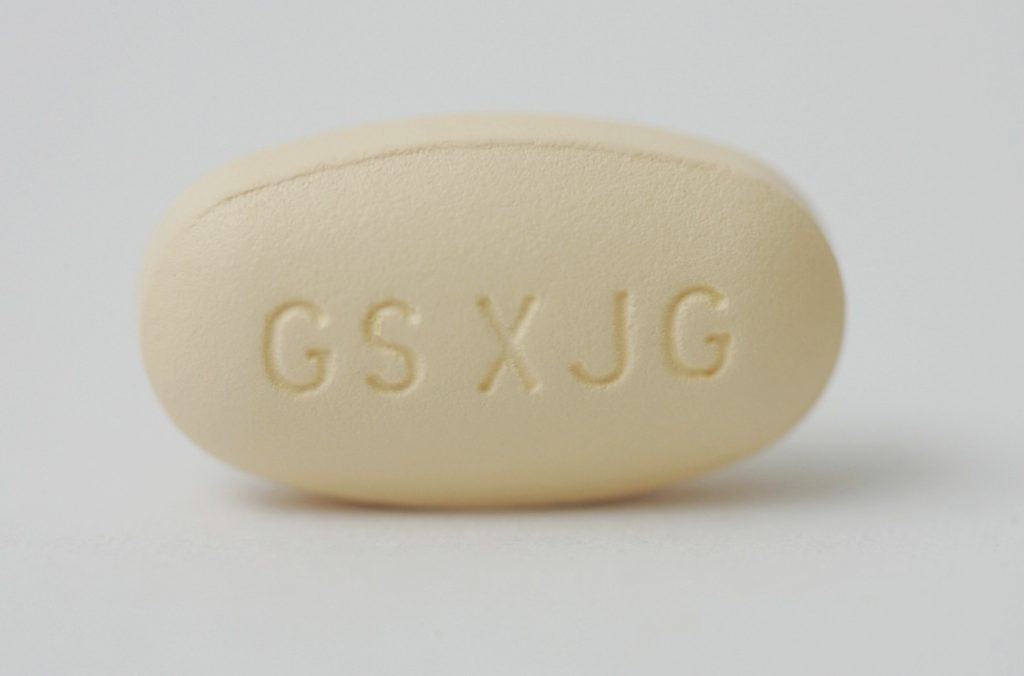
GlaxoSmithKline has received a knockback from authorities in India, who have revoked the patent on its breast cancer drug Tyverb.
The Financial Times reports that India’s Intellectual Property Appellate Board (IPAB) has made a ruling which upholds the GSK patent for the brand’s active ingredient, lapatinib.
However, the Kolkata-based regulator has revoked a patent which GSK had received for a salt version of lapatinib, which the manufacturer had put forward in a bid to extend the life of its product.
Tyverb – also marketed as Tykerb – will therefore face generic competition from 2019: had the salt version patent been allowed, it would have had another couple of years’ grace until June 2021.
GSK has pronounced itself pleased that lapatinib has retained its patent: GSK sells Tyverb for a third of the price it charges in developed countries, with sales in India making up 1% of worldwide revenue for the drug last year.
The patents were challenged by Fresenius Kabi Oncology, the Indian unit of German healthcare group Fresenius SE, the Financial Times says.
Drug pricing – particularly for cancer treatments – is a major issue in India, with the government attempting to make them more easily available to the population, the majority of whom do not have health insurance and pay for drugs themselves.
Earlier this year the Indian Supreme Court denied a patent application for Novartis’ leukaemia drug Glivec (also known as Gleevec), which means any generic manufacturer in India can now make and sell a cheap version of it.
Pharma companies were uneasy at this – particularly given that Novartis provides Glivec free of charge to 16,000 patients in India, roughly 95% of those who need it, via a patient assistance programme.
And India has also granted compulsory licences to other cancer drugs, including Bayer’s Nexavar, Roche’s Tarceva, and Pfizer’s Sutent – thus allowing generics makers free rein.
Companies have long tried to extend the life of their intellectual property by coming up with modified versions of the original drug – but success is usually based on how innovative various countries’ regulators take the new version to be.
Adam Hil
Related Content

GSK’s Exdensur receives MHRA approval for asthma and rhinosinusitis
GSK’s Exdensur (depemokimab), a twice-yearly biological medicine, has received approval from the UK Medicines and …

Central nervous system cancer metastases – the evolution of diagnostics and treatment
The current forms of immunotherapy, how T cell therapy works and what the future holds
BioMed X and Servier launch Europe’s first XSeed Labs to advance AI-powered antibody design
BioMed X and Servier have announced the launch of Europe’s first XSeed Labs research project, …