GSK fined millions over deals to delay generic competition
pharmafile | February 12, 2016 | News story | Medical Communications, Sales and Marketing | GSK seroxat
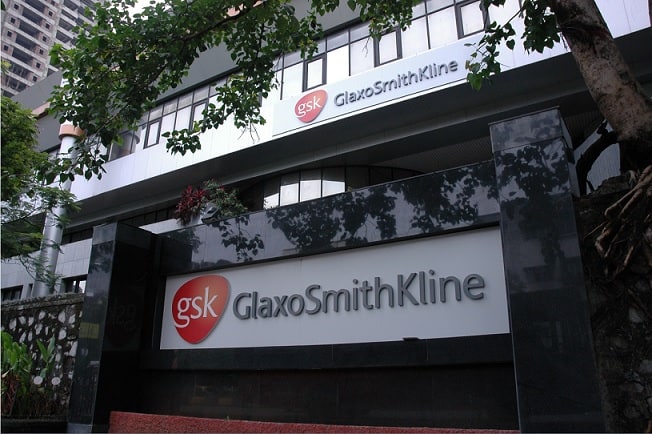
GlaxoSmithKline has been fined £37.6m by the UK Competition & Markets Authority (CMA) for paying two generic drugmakers to delay the launches of cheaper versions of its antidepressant drug Seroxat (paroxetine).
CMA says GSK paid more than £50 million to the generic companies Generics UK Limited (GUK) and Alpharma, which have also been fined to the tune of £7.4 million. Merck, which formerly owned GUK, was fined £5.8 million, and Alphama’s parent company Actavis was hit £1.5 million.
GSK says it does not accept the ruling, claiming its actions actually saved the NHS money, and it has been reported that the London-based company is considering an appeal.
A GSK spokesperson comments: “GSK and the generics companies entered into these agreements at the time in order to settle costly, complex and uncertain patent disputes. The agreements allowed the generics companies to enter the market early with a paroxetine product and ultimately enabled a saving of over £15m to the NHS.”
Michael Grenfell, the CMA’s executive director for enforcement, disagreed, saying GSK’s actions had inflated the price of Seroxat and cost the UK taxpayer money. The CMA noted average prices of Seroxat fell some 70% when generic competition did hit the market in 2013.
Grenfell says: “(Friday’s) decision sends out a strong message that we will tackle illegal behaviour that is designed to stifle competition at the expense of customers – in this case, the NHS and, ultimately, taxpayers.
“This investigation shows our determination to take enforcement action against illegal anti-competitive practices in sectors big and small. Cracking down on these practices is essential to protect consumers, to encourage legitimate business activity that such practices stifle, and to stimulate innovation and growth.”
In the UK, 4.2 million Seroxat prescriptions were issued in 2000 and the drug brought in £90m in sales in 2001. GSK initially sought to defend the patent in court against the generics firms, but eventually struck deals with them before the case went to trial.
In 2006, GSK revealed analysis confirming the former blockbuster drug could increase the risk of suicide in young adults aged between 18 and 29 years, leading UK regulator MHRA to remind doctors to carefully monitor these patients.
The CMA’s decision on GSK follows that it took on a case involving Pfizer and Flynn Pharma in August 2015. The competition watchdog judged provisionally that the two companies had charged “excessive and unfair” prices for anto-epilepsy drug phenytoin- abusing their “dominant position” in doing so. A final decision on that case is due later this year.
Joel Levy