Grant nominated for key NHS Commissioning Board post
pharmafile | October 18, 2011 | News story | | Commissioning Board, Malcolm Grant, NHS, Nicholson
The government has named its choice for one of the key roles at the new NHS Commissioning Board.
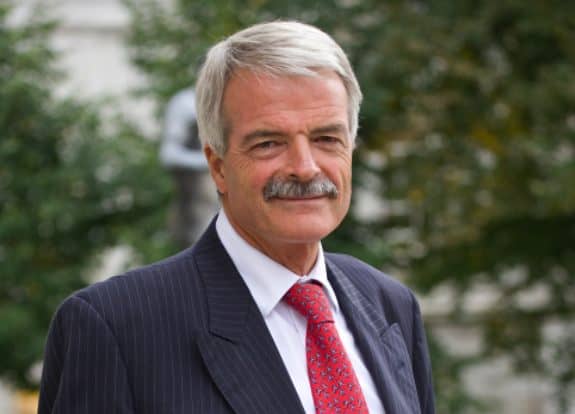
Professor Malcolm Grant is a lawyer by training and is currently president and provost of University College London, but has previous experience of public service with roles at the Local Government Commission and Higher Education Funding Council for England.
Professor Grant’s appointment is expected to gain final clearance this month, but he will appear before the Health Select Committee today in a “pre-appointment scrutiny hearing”.
The new Commissioning Board begins works in shadow form on 31 October – in anticipation that the Health and Social Care Bill will be passed and give the Board its statutory powers.
Grant’s role as chairman of the new independent, statutory body will be crucial in overseeing the reforms in Lansley’s Health and Social Care Bill, which last week cleared the hurdle of the House of Lords.
While he is expected to provide “strategic leadership and vision” for NHS commissioning, Grant will also have a free hand in shaping the structure of the new organisation, which has no precedent in NHS history.
Health Secretary Andrew Lansley said Grant has “distinction and authority, is outstandingly capable and has excellent leadership skills, demonstrated by his success at UCL”.
Accountable to the health secretary via an annual mandate, the NHS Commissioning Board’s raison d’etre is to drive ongoing improvements in quality in the NHS. But some have expressed fears that the Board will be too powerful, and will not allow local Clinical Commissioning Groups (CCGs) to take full control.
A key question about Professor Grant’s role as chairman is how it will work alongside the Board’s chief executive, the role in which existing NHS chief executive Sir David Nicholson is already confirmed. Professor Grant will only work in the role two days a week, however, which is likely to limit his influence over the direction of the new organisation.
Speaking in February, Nicholson said: “The Board will be confident about leading change at scale – not through top-down diktat, but neither being shy about claiming a leadership role.”
The Board is also tasked with directly commissioning services such as primary medical care, specialised commissioning, offender and some military health.
“We need to build on the very best NHS qualities of dedicated public service, professionalism and pride, and seize the opportunity to create long-term stability and focus on getting constant improvement in quality and openness to innovation,” Grant commented.
Adam Hill
Related Content

Digital mental health technologies – a valuable tool in supporting people with depression and anxiety
The potential benefits of digital mental health technology for managing depression, anxiety and stress, together …

A community-first future: which pathways will get us there?
In the final Gateway to Local Adoption article of 2025, Visions4Health caught up with Julian …

The Pharma Files: with Dr Ewen Cameron, Chief Executive of West Suffolk NHS Foundation Trust
Pharmafile chats with Dr Ewen Cameron, Chief Executive of West Suffolk NHS Foundation Trust, about …