Gilenya to stay on US market – but with new safety warnings
pharmafile | May 15, 2012 | News story | Sales and Marketing | EMA, FDA, Novartis, PML, gilenya
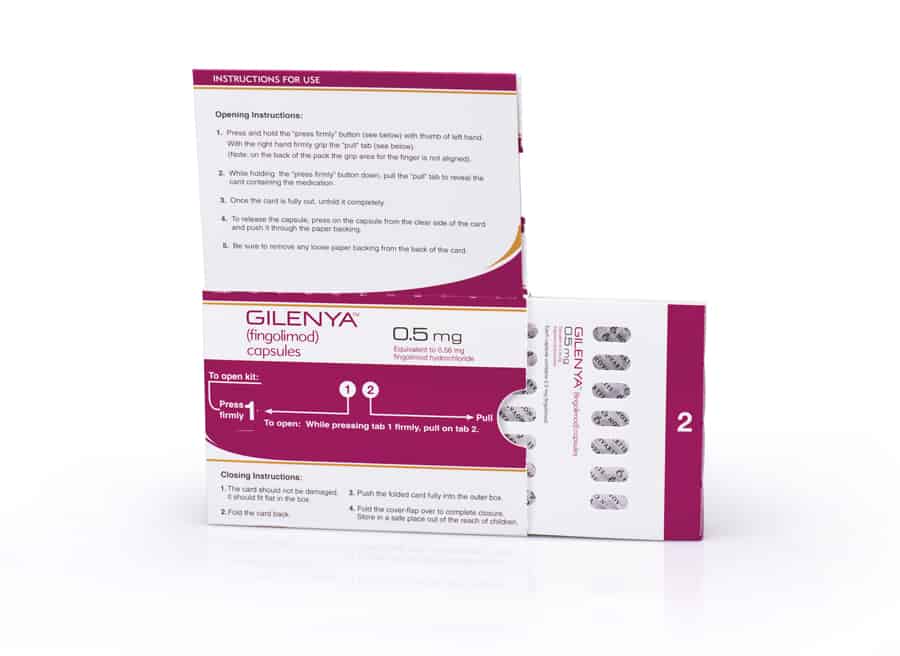
The FDA says that Novartis’ multiple sclerosis pill Gilenya should stay on the market, but has added new safety warnings to the drug.
The FDA had been undertaking a safety review of Gilenya (fingolimod) after a patient died soon after taking the drug last year.
There were concerns that Gilenya can dramatically reduce a patient’s heart rate within 24 hours of taking the drug, and that this could have caused the death in November.
But the FDA said it “could not definitively conclude that Gilenya was related to any of the deaths”, but added that it “remains concerned about the cardiovascular effects of Gilenya after the first dose”.
Because of these concerns, the FDA has now updated Gilenya’s label – the treatment is now contraindicated in patients with certain pre-existing or recent conditions or stroke, or who are taking certain antiarrhythmic medications.
The US regulator is also recommending hourly pulse and blood pressure measurement for all patients starting Gilenya, and that electrocardiogram testing should be performed prior to dosing and at the end of the observation period.
In addition, FDA is now also recommending that the time of cardiovascular monitoring be extended past six hours in patients who are at higher risk for or who may not tolerate bradycardia.
Extended monitoring should include continuous ECG monitoring that continues overnight, it said.
This decision comes a month after the European Medicines Agency revised Gilenya’s label to ensure closer monitoring of a patient’s heart rate when taking the drug.
Gilenya was poised to be making peak sales on around $2 billion a year, but the safety concerns around the drug have eroded these estimates.
But the company will take heart from the experience of one of its main rivals – Biogen Idec and Elan’s injectable Tysabri (natalizumab), which is still on the market despite more than 200 cases of patients who have developed a potentially fatal side effect.
Progressive multifocal leukoencephalopathy (PML) is a viral infection of the brain that usually leads to death or severe disability.
Cases of PML emerged soon after launch in 2006, but close monitoring and risk assessment of patients has allowed the drug to stay on the market, helped also by its efficacy in treating MS after patients stop responding to beta interferon.
Gilenya still remains as the only pill licensed for MS in the US and Europe, but a number of other oral treatments are in the pipeline.
This includes Biogen’s eagerly awaited BG-12 (dimethyl fumarate), which was sent for FDA review in February, and Sanofi/Genzyme’s Lemtrada (alemtuzumab), which is currently undergoing Phase III trials.
Ben Adams
Related Content

Johnson & Johnson submits robotic surgical system for De Novo classification
Johnson & Johnson has announced the submission of its Ottava Robotic Surgical System for De …

MedPharm announces US FDA inspection of North Carolina manufacturing facility
MedPharm has announced that the US Food and Drug Administration (FDA) has completed a successful …

Novartis receives SMC approval for early breast cancer treatment
Novartis has announced that its treatment for early breast cancer, Kisqali (ribociclib), has received approval …